Publish on by Kingdom Cute Luxury Hair Salon
- Match the product to the warmth you see
- When blue shampoo helps brunettes
- When to skip it and choose something else
- Your highlights are yellow rather than orange
- You chose a warm brunette shade
- Your hair is fragile, patchy or your scalp is irritated
- How to use it without over-toning
- Adjust the routine to your hair, not a fixed calendar
- Know when a salon toner is the better option
- Frequently asked questions
- Get a maintenance plan for your brunette shade
Brunette hair can turn warmer between salon visits, but blue shampoo is only helpful when that warmth is orange. It deposits cool pigment to soften an unwanted coppery cast. It does not lighten brown hair, fix every kind of brassiness or replace a color correction.
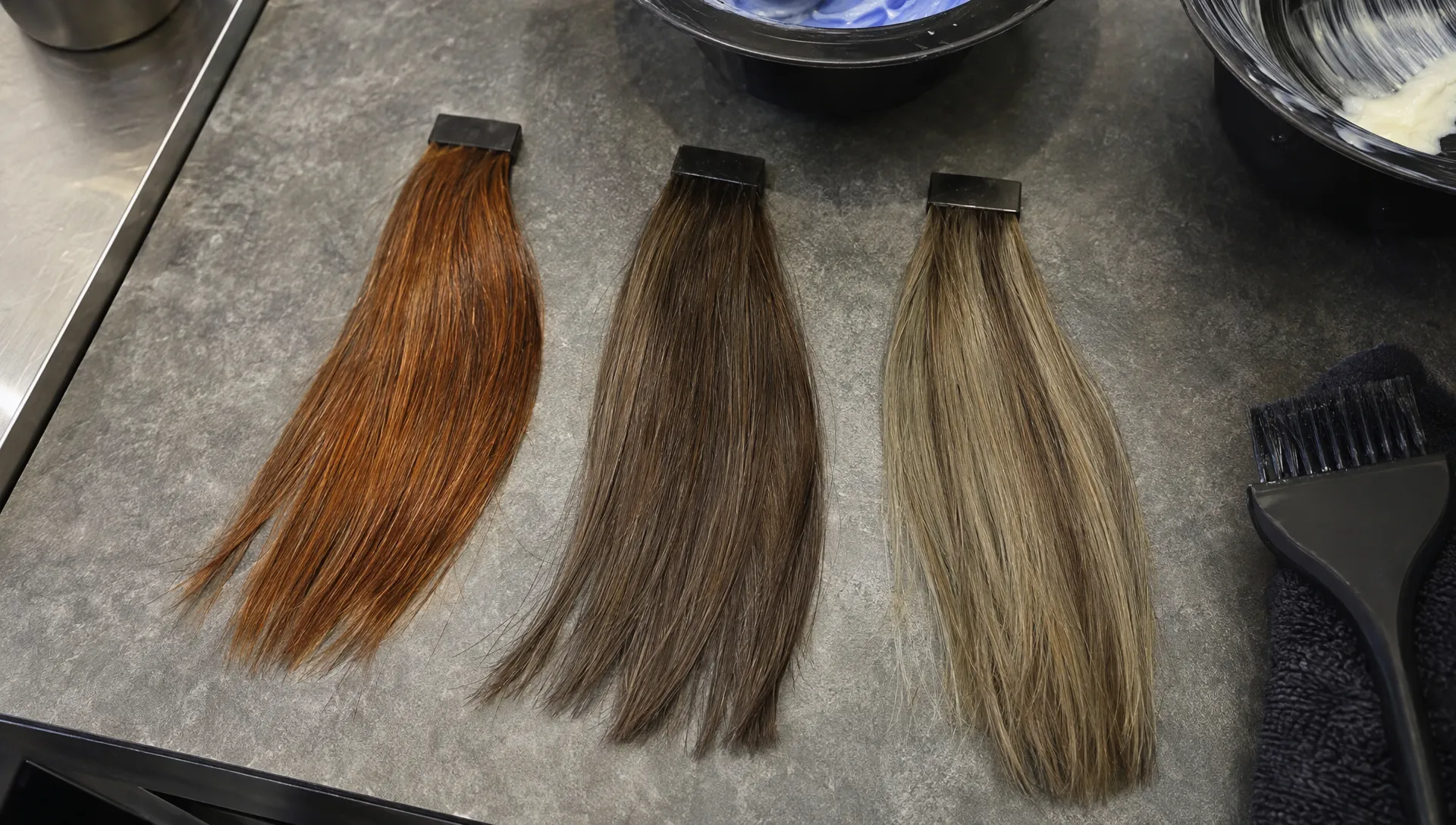
Before adding another bottle to your shower, look at your hair in indirect daylight. Orange mids, yellow highlights and an intentionally warm chestnut shade need different treatment. The right choice starts with identifying what you actually want to change.
Match the product to the warmth you see #
Toning shampoos work through complementary colors: blue counteracts orange, while violet counteracts yellow. That distinction matters more than whether a bottle says “for brunettes” or “for blondes.”
Use this as a starting point, not a substitute for assessing your hair’s condition:
| What you see | What may help | What to watch for |
|---|---|---|
| Unwanted orange in lightened brown hair | A blue-pigmented toning formula | Pale highlights may pick up too much pigment |
| Yellow in blonde highlights | A violet-pigmented formula | Brown sections may not need toning |
| A mix of yellow and orange | A stylist-selected toning approach | One formula may not suit every section |
| Red warmth in dark brown hair | A professional color assessment | Blue alone may not address the dominant tone |
When blue shampoo helps brunettes #
The clearest use case is brown hair that has been lightened and now looks more orange than intended. This can happen with an all-over lighter brunette shade, balayage or caramel highlights as the salon toner fades and underlying warmth becomes more noticeable.
Imagine a cool medium-brown result that gradually develops coppery mids and ends. A suitable toning wash may make those sections look more neutral without another lightening service. The result is a temporary visual adjustment, not the removal of the warm pigment underneath.
It works best as maintenance for a color you already like. If the depth, placement and overall shade are right, but orange warmth is creeping back, a pigment-depositing shampoo may help stretch the time between toning appointments.
Untreated brown hair can sometimes show a subtle cooling effect, too. However, very dark hair may show little visible change because its depth masks the deposited pigment. Using more product or leaving it on longer will not turn dark brown hair into a lighter, ash-brown shade.
When to skip it and choose something else #
Blue shampoo is the wrong match when the unwanted tone is mainly yellow, when warmth is part of your intended color or when the problem involves uneven lightening rather than simple fading. Adding cool pigment indiscriminately can make an otherwise flattering shade look flat.
Your highlights are yellow rather than orange #
Pale blonde ribbons usually call for violet rather than blue. Depositing blue onto yellow hair can create a greenish cast, especially on light, porous sections that absorb pigment readily.
Mixed-color hair needs particular care. Your brown base may look orange while your lightest highlights look yellow. Applying the same product everywhere can improve one area and muddy another. Ask your colorist whether targeted application or a different formula makes more sense.
You chose a warm brunette shade #
Copper, cinnamon, golden brown and warm chestnut are not automatically “brassy.” Those tones may be exactly what makes the color flattering.
Before neutralizing them, compare your current hair with a photo of your fresh salon result in similar lighting. If the warmth was there from the start and you liked it, cooling the whole head may work against your original goal.
Your hair is fragile, patchy or your scalp is irritated #
Blue shampoo cannot repair breakage, equalize uneven bleaching or solve scalp irritation. If your hair has very light, rough ends alongside healthier darker sections, the ends may grab substantially more pigment and look smoky, blue-green or dull.
Porosity describes how readily hair takes up and releases moisture and other substances. Chemical processing and weathering can make that behavior uneven along a strand, so the same wash can produce different results from roots to ends.
If your hair feels gummy when wet, snaps easily or has sharply defined bands of different color, pause toning experiments and arrange a professional assessment. Those concerns need a plan beyond adjusting warmth.
An uncomfortable scalp is another reason to stop. Rinse out any product that causes burning or irritation and discontinue it. Persistent symptoms deserve medical advice, not another color-maintenance product.
Also check with your stylist before introducing a new toning wash immediately after a color service. Your freshly finished shade may not need additional pigment yet.
How to use it without over-toning #
There is no universal processing time for blue shampoo. Pigment strength, cleansing ingredients and application directions vary, so follow the instructions on your specific bottle rather than a social-media timer.
Choosing a formula also means considering dryness, scalp needs and chemical history. Our guide to selecting products that suit your hair’s condition explains why the strongest-looking product is not necessarily the best fit.
- Check the directions first: Confirm whether the formula goes on wet or dry hair, its recommended contact time and any precautions. Do not assume it works like a previous brand.
- Test a discreet strand: Choose a small hidden section that represents the hair you want to tone. Include a lightened end if those ends will receive the product.
- Start conservatively: For the test, use the shortest contact time within the label’s directions. Rinse and assess the strand dry before treating a larger area.
- Apply evenly where appropriate: Work through the intended sections without automatically saturating pale highlights or fragile ends. Wear gloves if the label recommends them.
- Rinse and condition: Remove the shampoo thoroughly, then use a conditioner suited to your hair. Judge the result once dry in consistent lighting.
Do not leave it on overnight or apply heat unless the manufacturer specifically directs it. Longer exposure can mean more pigment deposit, not a better match to your target shade.
Adjust the routine to your hair, not a fixed calendar #
Frequency should follow the product directions and how your color responds. Treat toning as an occasional maintenance step rather than automatically replacing every regular wash. If your hair already looks balanced, adding more pigment offers little benefit.
After a successful test, assess the result before the next use. You may need less frequent toning than the bottle’s maximum suggested schedule, particularly if you wash infrequently or have very light ends. Keep your usual cleansing and conditioning routine between toning sessions.
For curls and coils, the target undertone is still what determines the pigment choice. Texture does not change the color wheel, but a drying or poorly matched cleansing formula can make detangling and moisture management harder. Choose the whole formula, not just its color.
Extensions need separate consideration. Follow the extension supplier’s care instructions and your stylist’s guidance before using pigment-depositing products. Extension hair and your natural hair may take up color differently, even when they initially look like the same shade.
If the result becomes dull or develops a blue or green cast, stop depositing pigment. Avoid immediately reaching for bleach, harsh household mixtures or repeated aggressive washing to strip it out.
Know when a salon toner is the better option #
Blue shampoo can maintain a suitable shade, but a salon toner offers more control over the color formula and where it is applied. That distinction matters when your roots, mids and ends need different adjustments.
Book a consultation if the orange is intense, returns quickly despite careful use or appears alongside bands of uneven color. The issue may involve the original lightening level, fading artificial color or sections with different processing histories. A shampoo cannot correct all of those variables.
Bring photos of your preferred result, a picture of your freshly colored hair if available and the names of products you have used. Tell your stylist about previous lightening, box dye, relaxers and other chemical services so they can assess what is realistic.
You can also ask for a lower-maintenance color plan that works with your natural depth and preferred warmth. A slightly warmer or deeper brunette may suit your routine better than repeatedly trying to maintain a very cool finish.
Frequently asked questions #
Does blue shampoo lighten brown hair? No. It deposits pigment to reduce the appearance of orange warmth; it does not lift your natural color or lighten existing dye. A cooler-looking result may seem different in brightness, but that is not the same as making the hair lighter.
Can I mix blue and purple formulas? Mixing them is not a reliable shortcut to a custom toner. Pigment concentrations and product directions vary, making the result hard to predict. If your hair has both orange and yellow areas, ask your stylist about a suitable combined formula or separate treatment of different sections.
What does purple shampoo do to brown hair? It may soften yellow tones in lighter pieces within brown hair. It generally will not neutralize clearly orange sections effectively because violet targets yellow rather than orange. On very dark brown hair, any visible change may be minimal.
Will one wash remove all the brassiness? Not necessarily. The outcome depends on the starting tone, pigment concentration, contact time and hair condition. Assess the dry result after following the label instead of repeatedly washing until the warmth disappears. Some starting shades require professional toning or correction.
Is a toning wash also a deep-conditioning treatment? Not automatically. Some formulas include conditioning ingredients, but pigment deposit and conditioning are different jobs. Keep a suitable conditioner in your routine and address persistent roughness or breakage separately rather than expecting a color-maintenance wash to repair it.
Get a maintenance plan for your brunette shade #
The best reason to use blue shampoo is specific: you like your brunette color, but unwanted orange is showing through. If you are unsure whether you are seeing orange, yellow or intentional warmth, get that distinction settled before experimenting.
At Kingdom Cute in Warner Robins, GA, a personalized color consultation can help you discuss your current shade, hair history and maintenance goals. Book an appointment to work out whether at-home toning or a salon color service is the more appropriate next step.
Tags: blue shampoo