Publish on by Kingdom Cute Luxury Hair Salon
- Start with your calendar and your maintenance budget
- What a hair color specialist checks before choosing a shade
- Plan the grow-out before planning the brightness
- Put the biggest change where it will work hardest
- Choose a tone you can live with as it fades
- Separate root appointments from tone and placement refreshes
- What a realistic low-maintenance plan could look like
- Frequently asked questions
- Plan your color change at Kingdom Cute
A hair color specialist plans a low-maintenance change around more than your inspiration photo. Your natural roots, previous color, preferred styling routine and realistic appointment schedule all influence the result. The goal is not simply to make your hair look beautiful when you leave the salon. It is to choose a change that still feels intentional as it grows and fades.
That starts with one practical decision: how much upkeep are you actually willing to do?
Start with your calendar and your maintenance budget #
Before choosing a shade, decide what “low-maintenance” means for you. Some clients want fewer salon visits. Others are comfortable visiting regularly but want quick appointments, minimal home styling or fewer products.
Those priorities can lead to different color plans. A subtle change close to your natural shade may create less obvious regrowth, while brighter highlights can offer a noticeable transformation without coloring every root. However, lightened pieces may still need occasional tonal refreshes.
Tell your stylist how often you can realistically return, rather than agreeing to a schedule you already know will be difficult. Include your budget for the initial service, follow-up appointments and home care.
It also helps to identify your deal-breakers. You might welcome some visible gray but dislike a sharp root line. You may love blonde ends but not want to maintain an icy tone. These details narrow the options more effectively than asking for something “easy.”
What a hair color specialist checks before choosing a shade #
Your starting point determines which changes are practical. A consultation should consider your natural color, the location of any gray, existing lightened areas and the condition of your lengths.
Previous permanent color matters because making dyed hair lighter is different from lifting untouched hair. Repeatedly darkened ends, uneven color or fragile areas can turn an apparently simple inspiration photo into a more involved service.
Share your full hair history, including at-home dye, henna, relaxers and other chemical treatments. Your stylist may recommend a strand test or a staged approach before committing to a larger change. If lighter color is part of your goal, these preparation tips before going lighter explain the hair-health considerations in more detail.
Your everyday texture matters, too. Bring photos of how you actually wear your hair, whether that means loose curls, a silk press, a ponytail or an air-dried style. A color plan should work with that routine, not depend on a finish you rarely recreate.
Low-maintenance starts with a realistic starting point, not a promise that every shade can be achieved in one appointment.
Plan the grow-out before planning the brightness #
One of the biggest influences on upkeep is the contrast between your natural roots and your finished color. A dramatic difference can make new growth more noticeable, even when the original application looks seamless.
A hair color specialist considers where that contrast will appear and whether you want to soften it, cover it or leave it visible. That decision shapes both the placement and the type of color service.
| Color approach | How it can support easier upkeep | What still needs attention |
|---|---|---|
| Staying close to your natural depth | Reduces the contrast between roots and lengths | Fading or changes in tone |
| Highlights that leave natural hair between lighter pieces | Breaks up an all-over root line | Brightness, tone and occasional placement refreshes |
| A root smudge or root shadow | Softens the transition into lighter lengths | The root tone can fade and may need refreshing |
| Gray blending | Makes some gray part of the overall look | Changing gray patterns and personal coverage preferences |
| Opaque gray coverage | Creates a more uniform result | New gray growth can remain noticeable at the roots |
Gray blending and gray coverage are different goals. If you want every gray concealed, your plan may require more frequent root appointments than a blended result. Neither choice is wrong, but the maintenance expectations should match the finish you prefer.
Put the biggest change where it will work hardest #
You do not always need an all-over transformation to feel noticeably different. Strategic brightness around the face or through selected lengths can change the overall impression while preserving more of your natural base.
For example, balayage placement can leave depth near the scalp and concentrate lighter color farther down the hair. Foil highlights can also be placed selectively for a softer grow-out. The technique name alone does not guarantee low maintenance; placement, contrast and the amount of lightening matter more.
A hair color specialist also considers your part, hairline and usual styling habits. Bright pieces that look balanced with a center part may appear different when you sweep everything to one side or pull it into a bun.
For curly hair, placement should account for how curls group together and move. For hair worn straight, transitions may be more visible along smooth lengths. Neither texture requires one fixed technique.
Ask to discuss both the freshly styled result and the grown-out version. The useful question is whether you will still like the placement when the roots have moved farther away from the scalp.
Choose a tone you can live with as it fades #
Soft grow-out and stable tone are separate maintenance issues. Your roots might blend beautifully while the lengths become warmer or less vibrant than you prefer.
A hair color specialist should explain that distinction before you choose your final shade. Very cool blonde, rich copper and vivid colors can require different refresh plans, even when their root placement is similarly soft. Hair porosity, washing habits, sun exposure and heat styling can all affect how the finished color wears.
If you do not want frequent tonal appointments, discuss how much warmth you can comfortably accept. A neutral or warmer finish may suit that preference better than a very cool target, depending on your starting color.
A gloss can adjust tone and shine, but it is not a universal fix. It does not reverse lightening, and it may not deliver the coverage you want. Demi-permanent color also fades gradually rather than making maintenance disappear.
Home care should be manageable. The American Academy of Dermatology’s advice on preventing hair damage includes using conditioner after shampooing and limiting excessive heat. Ask which products suit your hair rather than automatically adding purple shampoo or several corrective treatments to your routine.
Separate root appointments from tone and placement refreshes #
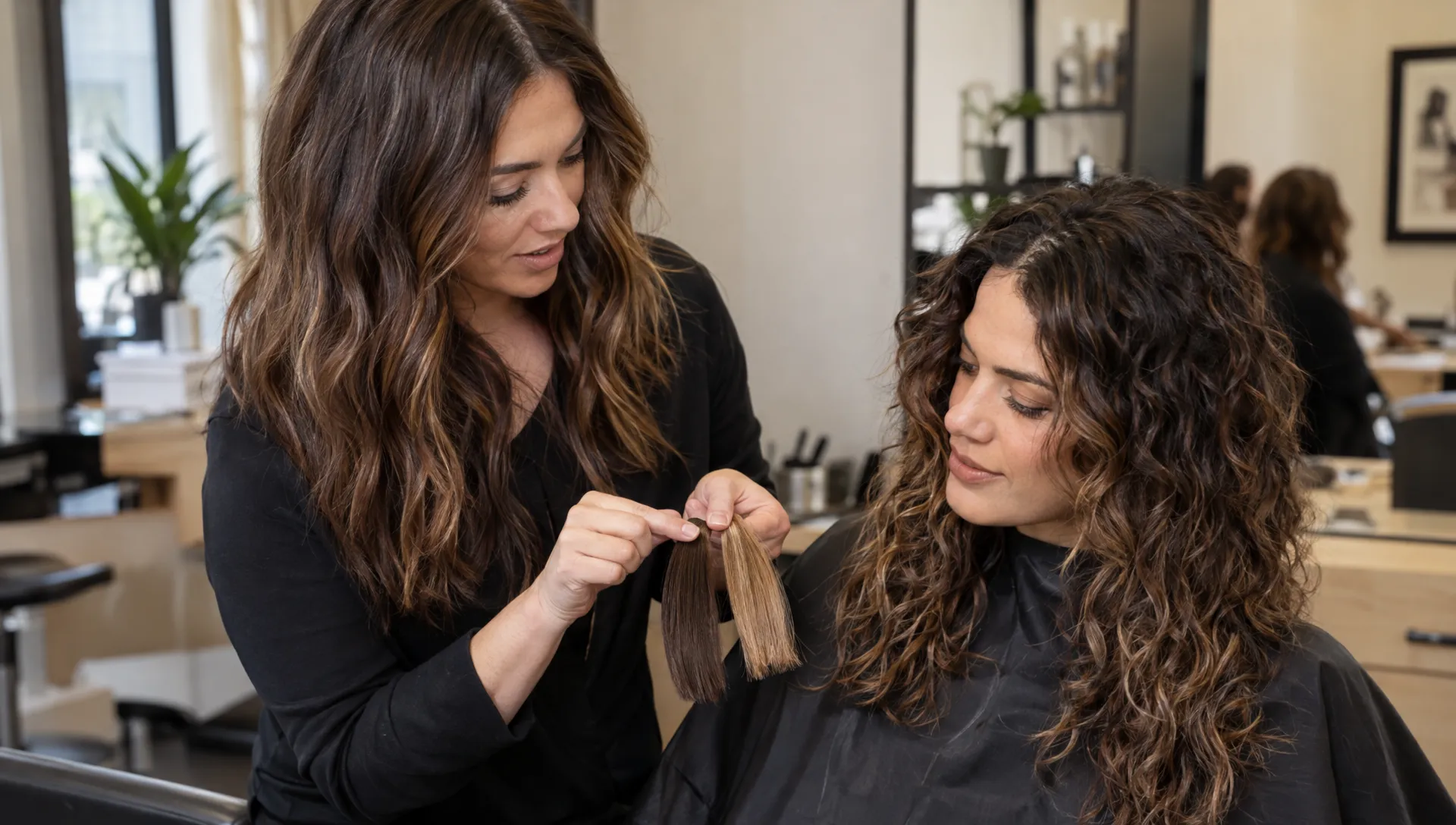
A useful maintenance plan does not treat every salon visit as a repeat of the first service. Root coverage, a gloss and additional highlights solve different problems, so they may be needed on different schedules.
Before you leave, a hair color specialist should help you understand which part of the result is likely to need attention first. For someone with blended highlights, that may be tone rather than placement. For someone who wants opaque gray coverage, it may be visible roots.
Ask for a simple plan that answers these questions:
- What changes should I expect as this color grows and fades?
- Which service would address those changes?
- What can wait until a later appointment?
- What is the estimated cost and time commitment for each type of refresh?
If the service names are unfamiliar, this overview of common hair color services can help you distinguish a root touch-up from a gloss or highlight appointment.
Avoid treating any quoted interval as a guarantee. Hair growth, gray visibility and your tolerance for fading all affect timing. An agreed check-in can be more useful than automatically booking the same full service at every visit.
The aim is to know what you are maintaining and why, so you can make an informed decision when your hair changes.
What a realistic low-maintenance plan could look like #
Consider a hypothetical client with naturally medium-brown hair who wants a brighter look but hopes to leave roughly three months between major color appointments. They are comfortable seeing their natural roots and do not want complete gray coverage.
A hair color specialist might discuss keeping the base, adding selective brightness through the lengths and choosing a tone that allows some warmth. That is a planning example, not a recommendation for every brunette.
The initial consultation would establish whether previous dye or the condition of the hair limits that approach. The maintenance plan would then separate optional tonal refreshes from the next placement appointment.
If the client later decides they dislike any warmth or want every gray hidden, the original schedule may no longer fit. The goal has changed, so the plan needs to change too.
This is why a useful inspiration photo should come with context: “I like this amount of brightness, I wear my hair curly most days and I am comfortable with visible natural roots.” Those details make the reference actionable.
Frequently asked questions #
Is balayage always low-maintenance? No. It can support softer grow-out, but a very light result, a cool tonal target or unsuitable placement can still require regular attention. The finished design matters more than the service label.
Can I have low-maintenance color and full gray coverage? You can simplify the overall routine, but complete coverage often makes new gray growth more visible. A hair color specialist can explain the trade-off between opaque coverage and a blended finish that allows some gray to remain.
Will going darker eliminate maintenance? Not necessarily. Darker color can fade, especially on previously lightened or porous lengths. A shade far darker than your natural roots can also create noticeable regrowth.
Can I make a big change without frequent appointments? Sometimes, but brightness, tone and coverage preferences may need adjusting. A staged transformation or selective placement can be more practical than an all-over change, depending on your hair history.
Plan your color change at Kingdom Cute #
Kingdom Cute in Warner Robins, GA offers personalized consultations and luxury hair coloring. Bring your inspiration photos, an honest hair history and a clear idea of the upkeep you can manage.
During your consultation, discuss your natural roots, preferred finish and likely follow-up needs before deciding on the change. The right plan should make sense both on appointment day and between visits.
Use Kingdom Cute’s online appointment booking to take the next step toward a color change that fits your routine.
Tags: hair color specialist