Publish on by Kingdom Cute Luxury Hair Salon
- Why dark hair can develop a harsh grow-out line
- Choose placement that leaves room for your natural color
- How blonde highlights blend with a dark root
- Root smudge, root shadow and color melt
- Keep the base dark unless you want another maintenance commitment
- Choose a blonde that works with the depth you keep
- Plan maintenance around what actually needs refreshing
- Separate a tone refresh from a lightening appointment
- Maintain tone without trying to fix roots at home
- What if you already have a visible band?
- Frequently asked questions
- Bring your grow-out goals to your consultation
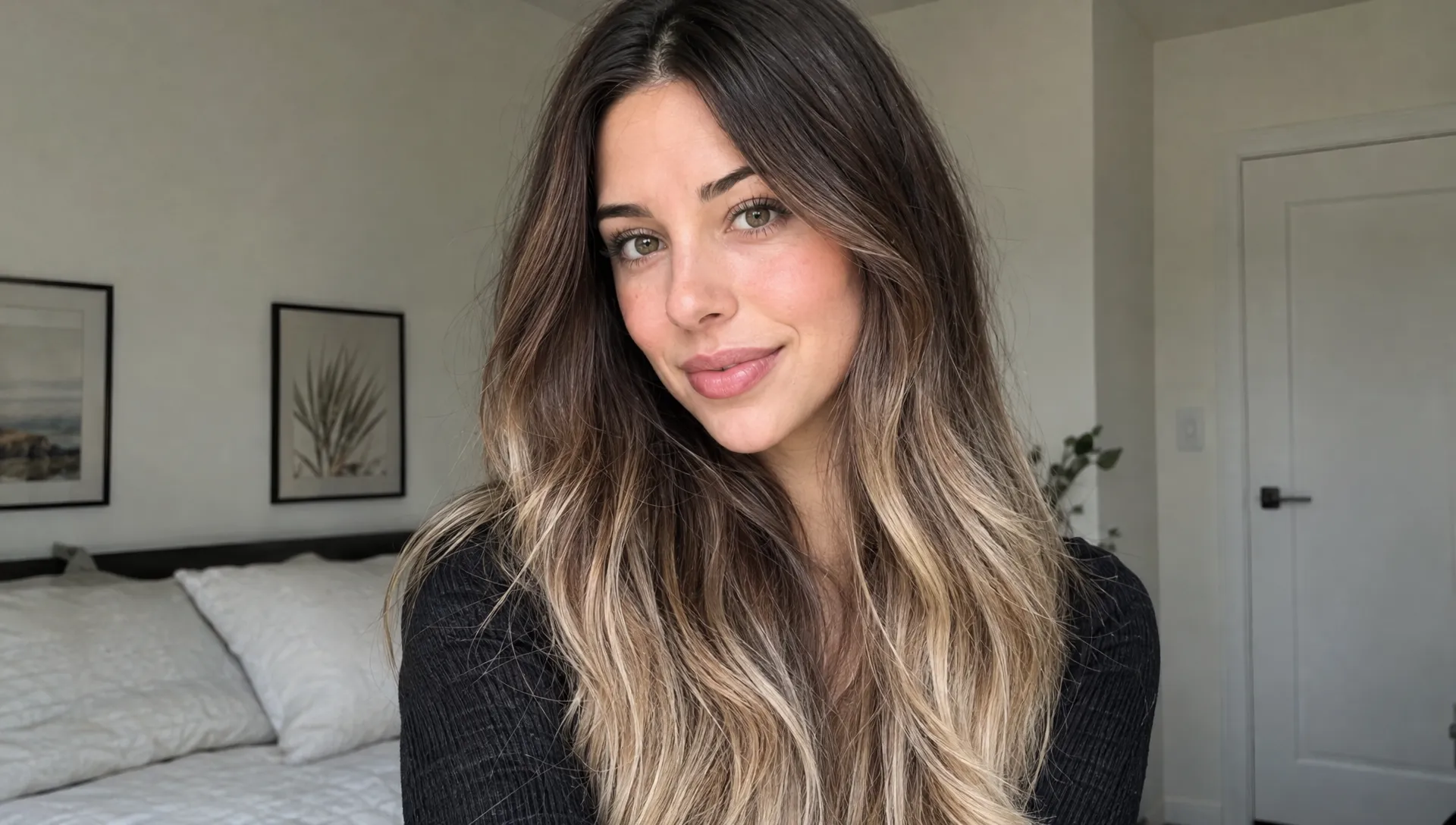
The difference between blonde highlights that grow out softly and ones that leave a sharp line is usually the design at the root, not just the shade of blonde. On dark hair, a few inches of new growth can look intentional when the color keeps depth near the scalp and gradually becomes brighter through the lengths. You do not necessarily need an all-over color change or constant root touch-ups. You need placement, contrast and a maintenance plan that work together.
Why dark hair can develop a harsh grow-out line #
A noticeable line appears when lightened hair starts at roughly the same point across a dark base. As your natural hair grows, the contrast creates a visible boundary. Dense highlights placed directly against the scalp can make that boundary more obvious, especially around your usual part.
There are also two separate changes to watch: new growth and color fading. New growth reveals your natural shade. Fading changes the tone of the already-lightened hair, sometimes exposing more yellow or orange. A toner can adjust unwanted warmth, but it cannot remove the physical boundary between dark roots and lighter lengths.
For blonde highlights on a dark base, softer grow-out comes from interrupting that boundary. Fine sections, staggered starting points and some natural hair left between lighter pieces make the transition less uniform. A root-blending service may soften it further, but placement does much of the work before a gloss ever touches the hair.
Choose placement that leaves room for your natural color #
Instead of asking only for balayage or foils, explain how you want the color to look several months later. Technique names do not tell the whole story. Balayage can still look sharply contrasted, and foil highlights can grow out beautifully when their size, spacing and root treatment are thoughtfully planned.
Ask your stylist to consider where you part your hair, whether you wear it up and how much brightness you want around your face. A heavily lightened hairline may need attention sooner than softer pieces placed through the interior.
The most useful way to plan blonde highlights is to decide where brightness should be strongest and where your dark base should remain visible.
| Placement approach | How it can soften grow-out | What to discuss |
|---|---|---|
| Hand-painted balayage | Can create varied starting points and lighter ends | How close the brightest pieces should begin to the scalp |
| Foilyage | Uses foils to support lift with a blended placement pattern | Whether the roots need additional blending |
| Fine woven highlights | Distributes lightness in smaller strands | Density, since closely packed sections can still create a line |
| Partial highlighting | Concentrates brightness in selected areas while retaining depth elsewhere | How the color will look with your usual part and updos |
How blonde highlights blend with a dark root #
Root smudge, root shadow and color melt #
These terms describe related blending approaches, but salons may use them differently. A root smudge generally softens the immediate transition between the root and highlighted hair. A root shadow creates or preserves a darker-looking root area. A color melt blends shades across a longer transition.
The name matters less than the intended result. Ask how far the darker color will extend, whether it will resemble your natural shade and how it is expected to fade.
For a lower-maintenance finish, the root area should usually stay close enough to your natural depth that new growth does not introduce another strong boundary. Making the roots darker than your natural color can also create a mismatch as they grow.
A root blend cannot undo every placement issue. If the light sections are very broad or start at the same height throughout the head, their structure may become visible again as the blending color fades.
Keep the base dark unless you want another maintenance commitment #
Lightening your entire base can make a fresh color look brighter, but it also changes what happens at the next appointment. Your naturally dark roots will grow back against that lighter base, potentially creating the very line you wanted to avoid.
If your goal is blonde highlights with a forgiving grow-out, ask whether your natural base can stay untouched. Keeping darker strands between the lighter ones also preserves dimension, so the result reads as highlighted dark hair rather than an almost-solid blonde with dark roots.
This is especially useful if you like brightness through the ends but do not want to maintain an all-over lighter color.
Choose a blonde that works with the depth you keep #
The biggest contrast is not always the most wearable one. Pale platinum against very dark roots can be striking, but the difference remains noticeable even with careful blending. Beige, honey or golden tones may provide a gentler visual transition, depending on your starting color and preferences.
Warmth is not automatically brassiness. An intentional honey blonde can look balanced, while an unwanted orange band can make the color appear uneven. Bring reference photos that show both the blonde tone you like and the amount of dark hair you want to retain.
Also separate your ideal shade from what your hair can reasonably achieve in one visit. Previous dark dye, overlapping color and chemical treatments can affect lift and condition. Our guide to preparing your hair before going lighter explains why an honest color history matters.
The best shade for blonde highlights is one your stylist can pursue without compromising the hair and that still looks balanced beside your natural roots.
Plan maintenance around what actually needs refreshing #
Separate a tone refresh from a lightening appointment #
A soft grow-out does not mean the color never needs care. It means you may have options other than lightening the same areas at every visit.
A gloss or toner appointment can address fading on existing lightened hair. A targeted highlight appointment can refresh selected pieces. A more extensive placement update may be useful later, once the brightness has moved farther down the lengths.
Your stylist should help you distinguish these needs rather than treating every appointment as a full redo. The timing depends on your placement, contrast, hair condition and tolerance for visible roots, so a universal schedule is not reliable.
When planning blonde highlights, discuss how often you realistically want to return before the color is applied. Someone comfortable with a rooted look needs a different design from someone who wants brightness close to the scalp at all times. Our article on planning a low-maintenance color change can help you frame that conversation around your schedule and budget.
Maintain tone without trying to fix roots at home #
Purple shampoo can help counter yellow tones, but it does not lighten dark roots or erase a grow-out line. Orange warmth may require a different approach. Ask your stylist which product, if any, fits your color and how often to use it. More frequent use is not necessarily better, especially on porous ends.
Condition the lengths and use heat thoughtfully. The American Academy of Dermatology’s advice on preventing hair damage includes conditioning after shampooing and reducing excessive heat exposure. These habits help limit additional damage to hair that has already been lightened.
Avoid covering new growth with an at-home permanent color just to blur the line. That can change your base or add pigment that complicates later highlighting.
What if you already have a visible band? #
A harsh line does not automatically mean you need more bleach. Your stylist first needs to identify whether the problem is dense placement, faded root color, unwanted warmth or an uneven previous lift.
Depending on the cause, the plan might include a root blend, selected lowlights to restore depth or a few carefully placed lighter pieces to break up the boundary. Existing fragile sections may need to be left alone rather than lightened again.
If your blonde highlights have grown into a solid-looking band, bring photos of the original result as well as your current hair. That helps distinguish the initial placement from changes caused by fading and growth.
For your consultation, have four details ready:
- Your usual styling: Show where you part your hair and whether you often wear a ponytail or bun.
- Your maintenance limit: Explain how often you are willing to return for lightening versus a shorter refresh service.
- Your color history: Include previous dark dye, box color, relaxers and any lightening on the lengths.
- Your preferred contrast: Choose reference photos with roots and a natural base similar to yours, not only close-ups of blonde ends.
Frequently asked questions #
Is balayage always better than foils for soft grow-out? No. Balayage can create a graduated effect, but well-planned foil highlights can also grow out softly. Section size, spacing, root placement and the amount of natural depth left behind matter more than the technique name alone.
Can very dark hair have a soft blonde result? Yes, but the achievable shade and number of sessions depend on your starting color, previous treatments and hair condition. A blended transition can soften strong contrast without making the roots blonde.
Will a root shadow permanently prevent a grow-out line? No. Root-blending color can fade, and new hair continues to grow. Placement that already transitions gradually is a stronger foundation than relying on a dark gloss to hide a sharp boundary.
How often should I refresh blonde highlights? There is no single schedule. Refresh tone when fading becomes bothersome, and revisit lightening when the placement no longer gives you the brightness you want. Ask your stylist which service is needed rather than assuming every visit requires bleach.
Bring your grow-out goals to your consultation #
Kingdom Cute Hair Salon in Warner Robins, GA offers hair coloring and personalized consultations. Bring inspiration photos, your color history and a realistic maintenance schedule so you can discuss a look that balances brightness with your natural depth.
Use Kingdom Cute’s online appointment booking to arrange your visit. Ask about achievable lift, root blending and the care your hair will need afterward, with the goal of a color you enjoy beyond the first few weeks.
Tags: blonde highlights