Publish on by Kingdom Cute Luxury Hair Salon
- What makes a layered haircut low-fuss?
- The best layered haircuts for women who want movement without fuss
- Long soft layers
- Face-framing layers
- The layered lob
- Butterfly-inspired layers
- Curly layers
- Shaggy layers
- How to choose layers for your hair texture
- How layers change the feel of different lengths
- What to ask your stylist for
- Styling layered hair without doing too much
- Layered cuts that pair well with color
- How often should layered hair be trimmed?
- The low-fuss mindset: your haircut should support your life
- Signs your current layers are not working
- Frequently Asked Questions
- Ready for layers that feel effortless?
A great layered cut should make your hair look like it has more life, not more chores. The best layers remove weight where your hair feels heavy, create shape where it falls flat, and help your natural texture do more of the styling work for you.
That is why layered haircuts for women are such a salon favorite. They can soften a bob, refresh long hair, give curls a more balanced silhouette, and make thick hair feel easier to manage. The key is choosing layers that match your texture, density, face shape, and morning routine.
If you want movement without fuss, skip the overly choppy cuts that only look good with a round brush and a full product lineup. Instead, focus on strategic, well-blended layering that grows out gracefully and works with how you actually wear your hair.
What makes a layered haircut low-fuss? #
Low-fuss layers are not the same as no-maintenance hair. Every haircut needs trims, conditioning, and a little styling support. But a low-fuss layered cut should still look intentional on a regular weekday, even if you air-dry, wear your natural texture, or only spend a few minutes smoothing and shaping.
The difference is precision. Good layers are placed to support the haircut, not just to add random texture. Your stylist considers where your hair is dense, where it collapses, how it expands when dry, and how the front pieces frame your face.
A low-fuss layered haircut usually has a few things in common:
- It removes bulk without creating stringy ends.
- It blends softly enough to grow out well.
- It enhances your natural texture instead of fighting it.
- It gives the front of the hair shape, even when the rest is simple.
- It can be refreshed with trims instead of needing a full restyle every few weeks.
This is where a personalized consultation matters. At Kingdom Cute in Warner Robins, GA, layered cuts are not treated as one-size-fits-all. A layered haircut for women with thick, straight hair needs a different plan than one for fine waves, tight curls, relaxed hair, or extensions.
The best layered haircuts for women who want movement without fuss #
The right layered haircut depends on length, texture, and how much daily styling you are willing to do. These options are popular because they add shape without demanding a complicated routine.
Long soft layers #
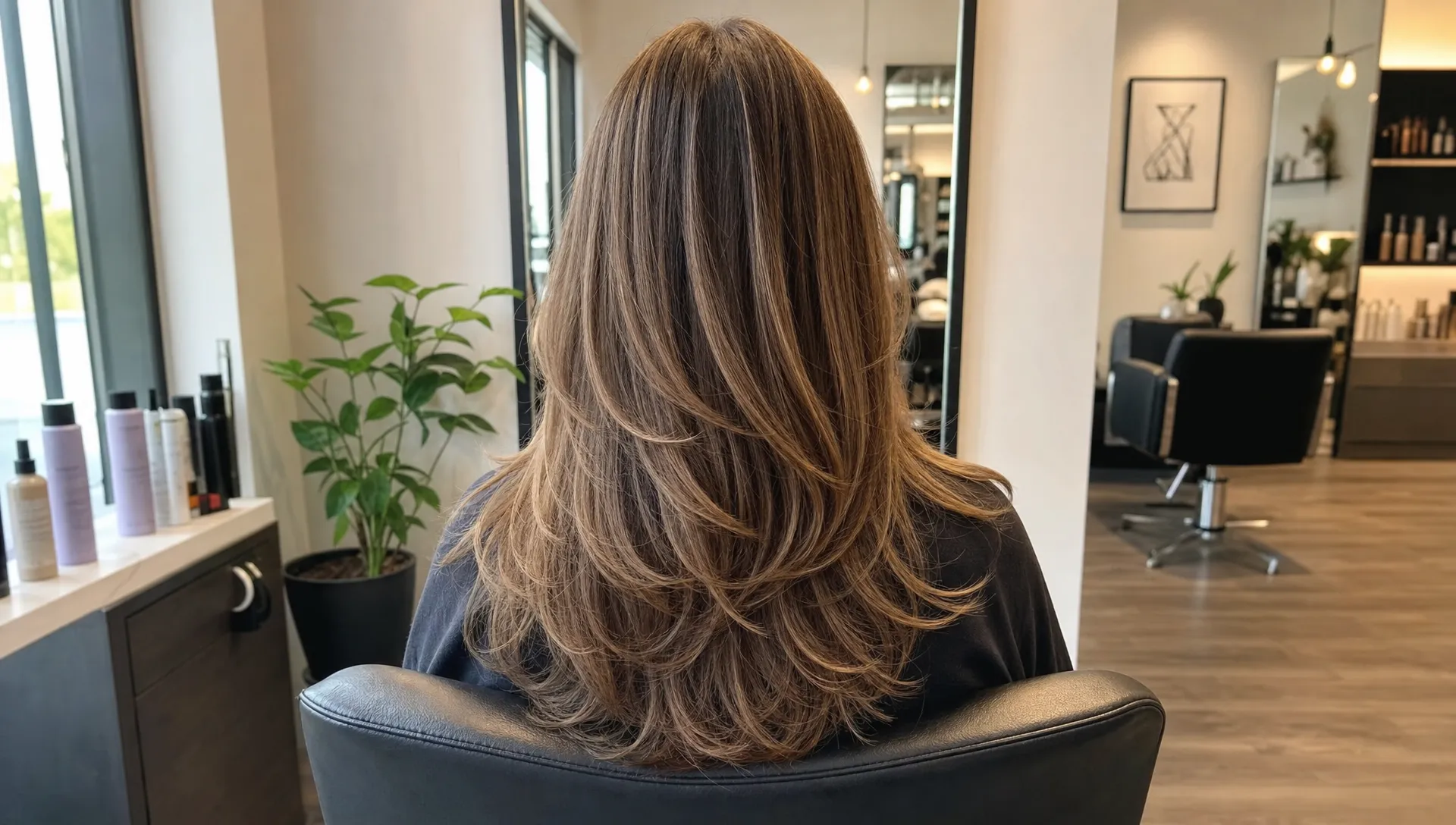
Long soft layers are ideal if you love keeping your length but feel like your hair hangs heavy or flat. The layers start lower, often around the collarbone or below, so the overall length stays full while the interior has more motion.
This cut works beautifully for straight, wavy, and lightly curled hair. It can make ponytails, blowouts, silk presses, and heatless waves look more polished because the ends do not sit in one solid block.
Ask your stylist for blended long layers rather than sharp, disconnected pieces. If your hair is fine, too much layering can make the ends look thinner. If your hair is thick, your stylist may add subtle internal layering to remove weight while keeping the perimeter strong.
Face-framing layers #
Face-framing layers are the easiest way to make a haircut feel fresh without changing everything. These pieces are cut around the cheekbones, jawline, or collarbone to bring attention to your features and soften the front of your style.
They are especially helpful if you often wear your hair down with minimal styling. Even when the back is simple, face-framing layers give the cut a finished look. They also pair well with middle parts, side parts, curtain bangs, and soft updos.
If you are unsure where your shortest face-framing piece should land, think about the feature you want to highlight. Cheekbone-length pieces add lift, jaw-length pieces soften the lower face, and collarbone-length pieces create movement without feeling too short.
For more guidance on matching a cut to your features, Kingdom Cute has a helpful guide to hair cuts styles that flatter every face shape.
The layered lob #
The lob, or long bob, is already a practical favorite because it gives structure without feeling too short. Add soft layers, and it becomes even easier to wear.
A layered lob can sit anywhere from the shoulders to the collarbone. It works well for women who want a polished shape but do not want the commitment of a short bob. The layers can help the ends flip, bend, or wave naturally, giving the cut movement with very little effort.
This option is especially good for medium-density hair that needs shape. It can also be customized for fine hair by keeping the ends blunt and adding only light surface movement.
Butterfly-inspired layers #
Butterfly layers are known for their airy, face-framing shape. The front pieces create the illusion of shorter hair around the face, while the back keeps length. This makes the cut feel dramatic without sacrificing inches.
For a low-fuss version, ask for a softer butterfly shape rather than a highly styled, high-volume finish. The goal is movement that still looks good when air-dried or lightly smoothed, not a cut that only works after a full blowout.
This style is best for medium to long hair and works especially well when the hair has enough density to support visible layers.
Curly layers #
Curly hair often needs layers to prevent the shape from becoming triangular, heavy, or flat at the crown. Well-cut curly layers allow curls to spring up, stack naturally, and create a more balanced silhouette.
The most important detail is dry-shape awareness. Curls shrink and expand differently from straight hair, so the stylist must consider how the cut will live after it is washed, conditioned, and styled at home.
Low-fuss curly layers should not create awkward gaps. Instead, they should encourage volume where you want it and remove heaviness where the hair feels weighed down. A good curly layered cut can make wash day easier because the shape does not depend on constant manipulation.
Shaggy layers #
A shag-inspired cut can be surprisingly low-fuss when tailored correctly. Modern shaggy layers bring lift around the crown, softness around the face, and texture through the ends.
This cut works best for women who like a lived-in look. It is not meant to be perfectly sleek. Wavy hair often responds beautifully to shaggy layers because the cut enhances bends and texture with minimal styling.
If you need a more professional or polished finish for work, ask your stylist for a softer shag rather than a heavily razored version. That gives you texture without making the cut feel too edgy or high-maintenance.
How to choose layers for your hair texture #
Texture determines how layers behave. The same layered cut can look sleek on straight hair, airy on waves, rounded on curls, or sculptural on coils. That is why bringing inspiration photos is helpful, but a good stylist will translate the idea for your actual hair.
| Hair texture | Best low-fuss layer approach | What to avoid |
|---|---|---|
| Straight hair | Soft long layers, face-framing pieces, subtle internal movement | Over-thinning that makes ends look sparse |
| Wavy hair | Layered lobs, shag-inspired layers, collarbone layers | Heavy one-length cuts that flatten waves |
| Curly hair | Rounded layers, curl-by-curl shaping, balanced crown layers | Random short layers that create gaps |
| Coily hair | Shape-focused layers, tapered silhouettes, moisture-supportive cuts | Excessive cutting without shrinkage planning |
| Thick hair | Internal weight removal, blended long layers, structured face framing | Too many surface layers that create puffiness |
| Fine hair | Minimal layers, blunt base with light movement | Heavy layering that removes needed fullness |
If your current routine is built around natural texture, your layers should respect that. If you regularly wear silk presses, relaxer treatments, protective styles, or extensions, your stylist should plan the cut around those styling habits too.
For texture-specific ideas, this guide to cute hair ideas that match your texture and routine can help you think through what will feel realistic day to day.
How layers change the feel of different lengths #
Layering is not only about how the haircut looks. It changes how the hair moves, dries, and responds to styling.
Short layered cuts feel lighter and more sculpted. They can add lift at the crown, create a softer neckline, and make pixies, bixies, and short bobs easier to shape. However, short layers require more precise maintenance because they grow into a new silhouette quickly.
Medium layered cuts are often the most practical. Shoulder-length and collarbone cuts can be worn straight, waved, pinned back, or pulled into simple updos. Layers help prevent this length from looking boxy.
Long layered cuts add movement while preserving length. They are perfect if you want a noticeable change without feeling like you made a dramatic chop. The right long layers can also help curls and waves sit better instead of dragging downward.
What to ask your stylist for #
The best salon results come from clear communication. Instead of simply saying, “I want layers,” describe the feeling you want your hair to have.
Helpful phrases include:
- “I want movement, but I do not want my ends to look thin.”
- “I air-dry most days, so I need the cut to work with my natural texture.”
- “I want face-framing pieces, but I still need to pull my hair back.”
- “My hair gets bulky here, but flat here.”
- “I want layers that grow out softly.”
Also tell your stylist what you do not want. If you dislike short pieces around your face, heavy bangs, visible choppiness, or volume at the crown, say so before the cut begins.
A precision haircut is a collaboration. Your stylist brings technical skill, but your daily routine gives the cut its real direction.
Styling layered hair without doing too much #
The whole point of a low-fuss layered cut is that you should not need a full salon routine every morning. A few simple habits can keep layers looking intentional.
Start with the right cleansing and conditioning routine. Dry, tangled, or dehydrated hair makes layers harder to style because the ends separate unevenly. Conditioning treatments, scalp care, and trims can help the cut keep its shape.
Use lightweight products that match your texture. Fine hair may need a soft volumizing spray or light mousse. Wavy hair often benefits from a curl cream or foam. Curly and coily textures may need leave-in conditioner, curl-defining cream, or a sealing oil depending on porosity and styling goals.
Heat styling should be strategic. The American Academy of Dermatology recommends using caution with heat tools and protecting hair from damage, especially when styling often. If you use a blow dryer, curling iron, or flat iron, a heat protectant and moderate temperature can help preserve the look and health of your layers.
If you want the easiest styling routine, ask your stylist to show you a realistic version before you leave the salon. Not a 40-minute finish, but the quick version you can repeat at home.
Layered cuts that pair well with color #
Layers and color can make each other better. A dimensional color service can highlight movement, while layers can show off tone changes more clearly.
Soft balayage, subtle highlights, glossing, and rich all-over color can all work with layered hair. The goal is to place brightness where the cut moves naturally, usually around the face, surface layers, and ends.
If your hair is dark, dimensional brunette color can keep layers from looking flat. If you are blonde, lowlights and gloss can help the layers look softer and healthier. If you love fashion color, layers can reveal peekaboo tones or blended accents in a more natural way.
Because color and cutting both affect hair health, book them with a stylist who can plan the full look. A layered cut should not expose fragile ends, and a color service should support shine, strength, and manageability.
How often should layered hair be trimmed? #
Most layered haircuts look best with regular maintenance, but the exact timing depends on the length and shape.
| Layered style | Typical trim timing | Why it matters |
|---|---|---|
| Short layers | Every 4 to 6 weeks | Keeps the shape from growing out unevenly |
| Layered lob | Every 6 to 8 weeks | Maintains the perimeter and face frame |
| Long layers | Every 8 to 12 weeks | Refreshes movement while preserving length |
| Curly layers | Every 8 to 12 weeks | Maintains balance and prevents heavy areas |
| Face-framing layers | Every 6 to 10 weeks | Keeps front pieces flattering and easy to style |
These are general guidelines, not strict rules. If your hair grows quickly, is color-treated, or experiences dryness, you may need more frequent shaping. If your layers are long and blended, you may be able to go longer between trims.
Healthy hair habits also make a big difference. Gentle detangling, nighttime protection, conditioning, and regular trims all help your layers stay soft instead of frayed. For more practical care tips, read Kingdom Cute’s guide to healthy hair habits your stylist wishes you knew.
The low-fuss mindset: your haircut should support your life #
A haircut can make your routine easier, but the bigger goal is confidence. When your hair works with your lifestyle, you spend less time fighting it and more time feeling put together.
That same idea applies beyond beauty. Personal care routines can support your mood and daily rhythm, but if stress, burnout, trauma, or depression are affecting your ability to function, it may be time to seek deeper support. Resources such as a personalized approach to stress and recovery can be a reminder that wellness is not one-size-fits-all.
Your hair does not need to be complicated to feel beautiful. The best layered cut should make getting ready feel smoother, not more stressful.
Signs your current layers are not working #
If you already have layers but still feel like your hair is difficult, the issue may be placement, blending, or maintenance.
Common signs include ends that look thin, bulky areas that never sit right, short pieces that stick out, curls that have lost their shape, or layers that only look good after heat styling. You may also notice that your hair feels harder to put up because the front pieces are too short or uneven.
In many cases, the answer is not to cut more. Sometimes your stylist needs to reshape the perimeter, soften the transitions, or let certain layers grow before refining the cut. A consultation can help determine whether your hair needs a trim, a full reshaping, conditioning support, or a new plan altogether.
Frequently Asked Questions #
What is the easiest layered haircut for women to maintain? Long soft layers and face-framing layers are usually among the easiest to maintain because they add movement without changing the overall shape too dramatically. A layered lob is also low-fuss if you want a medium-length cut with structure.
Do layers make hair look thicker or thinner? Layers can do either depending on how they are cut. Soft, strategic layers can create the appearance of fullness and movement, while excessive layering can make fine ends look thinner. Your stylist should adjust the amount of layering to your density.
Are layered haircuts good for curly hair? Yes, curly hair often benefits from layers because they reduce heaviness and help curls form a more balanced shape. The key is cutting with shrinkage, curl pattern, and volume goals in mind.
Can I get layers if I wear my hair straight most of the time? Yes. If you wear your hair straight, ask for blended layers that create flow without looking choppy. A silk press or smooth blowout can look especially polished when the layers are balanced.
How do I know if face-framing layers will suit me? Face-framing layers can be adjusted for almost every face shape. Cheekbone-length pieces add lift, jaw-length pieces soften, and collarbone-length pieces offer subtle movement. A stylist can recommend the most flattering starting point.
Ready for layers that feel effortless? #
If your hair feels heavy, flat, shapeless, or harder to style than it should, the right layered haircut can make a noticeable difference. At Kingdom Cute Hair Salon in Warner Robins, GA, every cut begins with a personalized consultation so your style fits your texture, face shape, and routine.
Book your appointment online and discover how precise, low-fuss layers can give your hair the movement, polish, and confidence you have been looking for.