Publish on by Kingdom Cute Luxury Hair Salon
- What Makes a Korean Pixie Cut Different?
- Start With Your Face Shape, Not Just the Trend
- Korean Pixie Cut Ideas by Face Shape
- Oval Face Shape
- Round Face Shape
- Square Face Shape
- Heart Face Shape
- Long or Oblong Face Shape
- Diamond Face Shape
- Pear or Triangle Face Shape
- Personalize the Cut for Your Hair Texture
- The Small Details That Change Everything
- Color Ideas That Enhance a Korean Pixie Cut
- How to Style a Korean Pixie Cut at Home
- What to Ask Your Stylist Before Cutting
- Common Mistakes to Avoid
- Frequently Asked Questions
- Ready for a Korean Pixie Cut That Feels Like You?
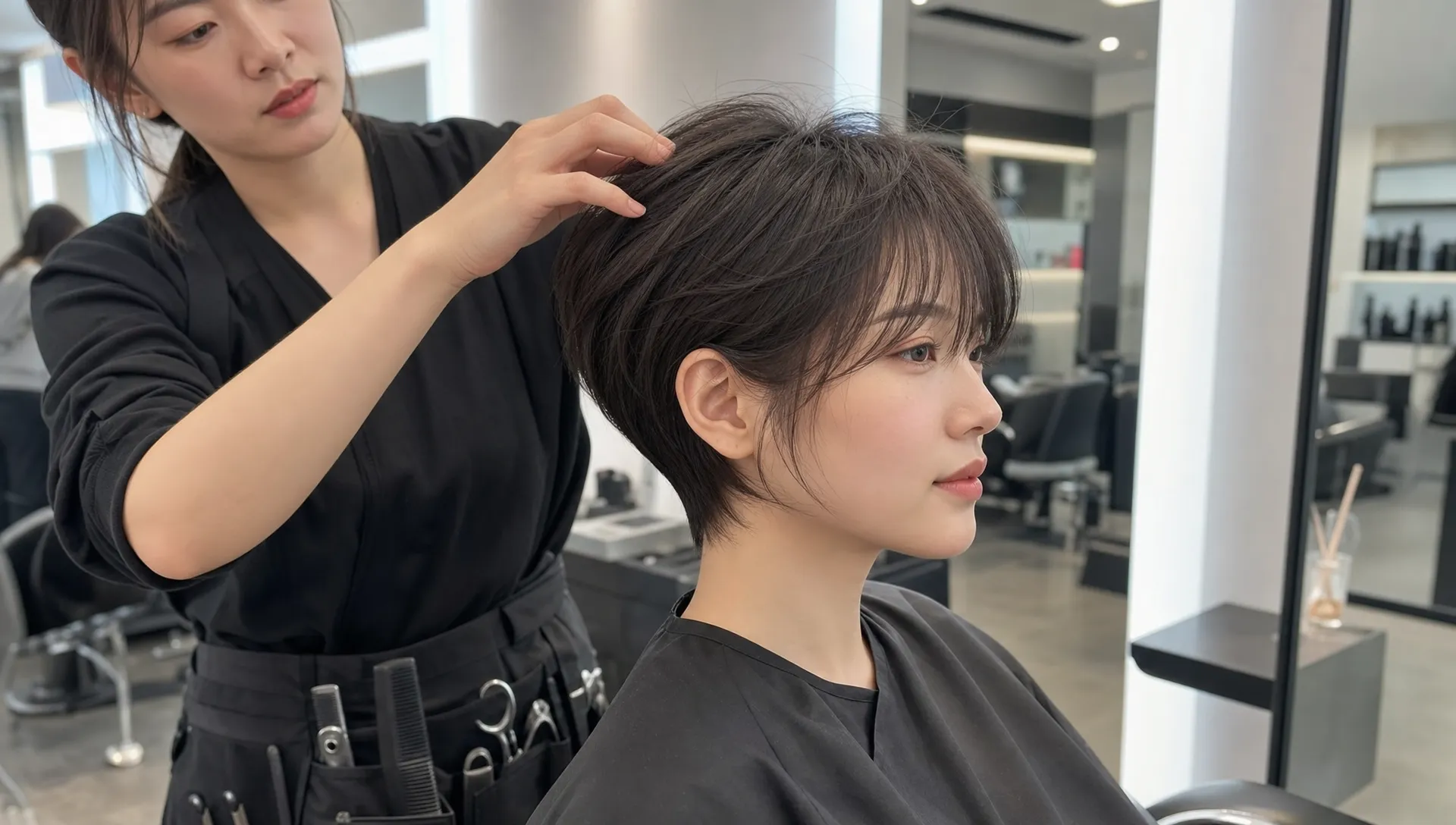
A Korean pixie cut is short, light and intentionally soft, but the best version is never copied straight from a photo. It works because the shape is adjusted around your cheekbones, jawline, forehead, hair texture and daily styling habits.
Unlike a classic sharp pixie, the Korean pixie cut often has airy layers, a softer fringe, delicate side pieces and a rounded silhouette that feels feminine without looking overly styled. It can be sleek and polished, tousled and cute, or slightly edgy with a tapered nape. The difference comes down to personalization.
If you are thinking about going short, bring inspiration photos, but do not stop there. A stylist should help translate the look to your face shape so the cut flatters you from every angle, not just from the front.
What Makes a Korean Pixie Cut Different? #
The Korean pixie cut is known for softness. Instead of heavy chopping or severe lines, it usually uses light layering, subtle movement and face-framing pieces that make short hair feel approachable. Many versions include a wispy or side-swept fringe, gentle volume at the crown and a neckline that is clean without looking harsh.
This style is especially popular because it can feel youthful and elegant at the same time. It pairs beautifully with natural black or brunette hair, glossy color, soft beige highlights, rose brown tones or dimensional salon color. The cut also works well with minimal styling, as long as the shape is tailored correctly.
The most important parts to customize are:
- The fringe length and direction
- The amount of volume at the crown
- The width around the cheeks and temples
- The sideburn length
- The nape shape
- The softness or sharpness of the layers
A small change in any of these areas can completely shift the balance of your face.
Start With Your Face Shape, Not Just the Trend #
Face shape is not a rulebook. It is a starting point that helps your stylist decide where to add softness, height, width or structure. Two people can both have round faces and need different cuts because their hair density, neck length and personal style are different.
To get a basic idea of your face shape, pull your hair away from your face and look at the widest points. Is your forehead wider than your jaw? Are your cheeks the fullest area? Is your face longer than it is wide? Is your jawline angular or softly curved?
If you are unsure, your stylist can help during the consultation. For a broader haircut overview, Kingdom Cute also has a guide to hair cut styles that flatter every face shape, which can help you compare pixies with bobs, lobs and layered cuts before committing.
Korean Pixie Cut Ideas by Face Shape #
The goal is not to hide your face shape. The goal is to style around it so the cut feels balanced and intentional.
| Face shape | Best Korean pixie cut adjustment | What to be careful with |
|---|---|---|
| Oval | Soft fringe, rounded layers and flexible parting | Very flat styling that removes natural dimension |
| Round | Crown lift, diagonal fringe and slightly tapered sides | Too much width at cheek level |
| Square | Wispy fringe, curved edges and soft side pieces | Blunt lines that emphasize the jaw |
| Heart | Light bangs, cheekbone softness and a balanced nape | Excess volume only at the forehead |
| Long or oblong | Brow-skimming fringe and gentle side fullness | Tall crown volume with very short bangs |
| Diamond | Side-swept fringe and softness near the temples | Hard side shaving that widens cheekbones visually |
| Pear or triangle | Temple volume and a clean, lifted neckline | Heavy sideburns that add weight near the jaw |
Oval Face Shape #
An oval face shape has natural balance, so you have the most flexibility. A Korean pixie cut can be worn softly rounded, slightly tousled, tucked behind one ear or paired with airy bangs. If you like a polished look, ask for gentle layering through the crown and a fringe that can move from center to side.
The main thing to avoid is a cut that lies too flat. Even with an oval face, a little texture keeps the style modern. A soft C-shaped bend at the ends or a light root lift can make the haircut look more expensive and salon-finished.
Round Face Shape #
For a round face, the goal is usually to add a little length and avoid creating extra width at the cheeks. A Korean pixie cut with a slightly lifted crown, diagonal fringe and tapered sides can make the face look more elongated while still keeping the style sweet.
Ask your stylist for softness, not bulk, around the cheek area. Side pieces can be flattering, but they should be shaped with intention. A fringe that sweeps across the forehead often works better than a short, straight-across bang because it creates a diagonal line that visually lengthens the face.
Square Face Shape #
A square face shape often has a strong jawline, which can look beautiful with the right short cut. The trick is to soften the edges instead of repeating the same strong angles. A Korean pixie cut with wispy bangs, curved layering and soft sideburns can create a graceful contrast.
Avoid heavy, blunt fringe if you do not want to emphasize the width of the forehead and jaw. Instead, ask for feathered texture and movement near the temples. A slightly longer pixie can also work well because it gives your stylist more room to carve softness around the face.
Heart Face Shape #
A heart-shaped face is usually wider at the forehead and narrower at the chin. For this shape, a Korean pixie cut can be especially flattering when the fringe softens the forehead and the sides add gentle balance near the cheekbones.
Try a see-through bang, side-swept fringe or a soft curtain effect if you want a romantic look. Keep the crown controlled rather than overly tall, since too much height can draw more attention to the upper face. A nape that is softly tapered, rather than cut extremely tight, can help the overall silhouette feel balanced.
Long or Oblong Face Shape #
For a long face shape, the right fringe is key. A brow-skimming bang, airy full fringe or side fringe can visually shorten the face and make the Korean pixie cut feel more proportional. Gentle fullness at the sides can also help, especially near the temples.
Be careful with very high crown volume or super short baby bangs if your goal is balance. Those details can make the face appear longer. Instead, choose a rounded silhouette with soft movement and enough fringe to frame the eyes.
Diamond Face Shape #
A diamond face shape is often widest at the cheekbones with a narrower forehead and jaw. A side-swept Korean pixie cut can look beautiful because it softens the cheekbone area while adding visual balance near the forehead.
Ask for texture that moves away from harsh points. Soft sideburns, a flexible fringe and a lightly tapered nape can keep the cut elegant. If you like edgier styles, an undercut can still work, but it should be placed carefully so it does not make the cheekbones look wider than you want.
Pear or Triangle Face Shape #
A pear or triangle face shape is fuller near the jawline and narrower at the forehead. The best Korean pixie cut for this shape adds lift and width higher up, especially around the crown and temples, while keeping the lower sides clean.
A light fringe can help widen the upper face, and subtle volume at the temples can balance the jaw. Avoid leaving too much weight near the lower cheeks or jawline. Your stylist may taper the neckline and side areas to keep the look lifted.
Personalize the Cut for Your Hair Texture #
Face shape matters, but texture determines how the Korean pixie cut will behave after you leave the salon. Straight, fine hair may need light internal layering to avoid looking flat. Thick hair may need weight removal so the shape does not become bulky. Wavy hair can look effortless with a longer pixie shape that allows the bend to show.
For curly or coily hair, the idea can be adapted with a rounded crop, soft tapered sides or a longer curly pixie. The cut should respect shrinkage and curl pattern. A Korean-inspired silhouette does not mean forcing the hair into a texture it does not naturally hold. It means using softness, balance and thoughtful shaping in a way that fits your hair.
If you want the softness of a pixie but are nervous about going very short, a longer version gives you more styling flexibility. These long pixie cut ideas can help you decide whether a softer grow-out friendly shape is a better starting point.
The Small Details That Change Everything #
A Korean pixie cut is all about detail. The difference between “cute short hair” and a cut that truly flatters your face often comes from areas that clients do not always think to ask about.
Fringe changes the mood first. A see-through fringe feels soft and youthful. A side-swept fringe feels elegant and slimming. A fuller fringe can make the eyes stand out, but it needs the right weight so it does not overpower the face.
Sideburns matter too. Longer, wispy side pieces can soften round, square or heart-shaped faces. Shorter sideburns can look cleaner and more modern, especially if you prefer a sleek finish. For some clients, the best side detail is not length, but softness at the edge.
The neckline controls how polished the cut feels. A softly tapered nape looks refined and grows out more gracefully for many people. A tighter nape feels bolder and can make the haircut look sharper. If you have a shorter neck or want a more lifted effect, the neckline should be discussed before cutting.
Color Ideas That Enhance a Korean Pixie Cut #
Color can make a Korean pixie cut look more dimensional, especially because short hair shows shape quickly. A rich brunette gloss can make the cut look smooth and polished. Soft highlights can show off layers and movement. Warm beige, caramel brown, cherry brown or soft copper can add personality without overwhelming the cut.
If you want a dramatic change, short hair can handle bold color beautifully, but the haircut and color should be planned together. Lightening the hair can affect texture and styling needs. A good consultation should cover your color history, maintenance comfort and how often you want to return to the salon.
For a luxury finish, conditioning and scalp treatments can also support the look of short hair. Since a pixie exposes more of the hairline and scalp area, shine, softness and scalp comfort are part of the final result.
How to Style a Korean Pixie Cut at Home #
A Korean pixie cut should not require a complicated routine, but it does need the right habits. After washing, avoid rough towel drying, since friction can make short layers puff out or frizz. Blot gently, then style while the hair is slightly damp. A soft towel makes a difference, and salon owners or beauty professionals sourcing linens may look for soft, absorbent towels for wash day and salon prep that feel gentle on hair and skin.
For daily styling, use a small amount of product and build only if needed. Too much cream, wax or oil can collapse the airy texture that makes this haircut appealing. Fine hair may need a light volumizing mist. Thick hair may need a smoothing cream. Wavy hair often does well with a curl-friendly styling cream and minimal touching once dry.
A simple routine can look like this:
- Blot hair gently after washing
- Apply a lightweight styling product from mid-lengths to ends
- Blow-dry the fringe in the direction you want it to fall
- Lift the crown slightly with your fingers or a brush
- Finish with a small amount of texture cream only where needed
Short hair shows growth faster than longer styles. Many pixie clients prefer a cleanup every 4 to 6 weeks, while longer pixie shapes may stretch a little further depending on the neckline and fringe.
What to Ask Your Stylist Before Cutting #
A good Korean pixie cut starts with a detailed consultation. Photos help, but your stylist should also ask how much time you spend styling, whether you air-dry or blow-dry, how your hair reacts to humidity and how short you are comfortable going around the ears and nape.
Bring at least three photos: one that shows the fringe, one that shows the side and one that shows the back. Many inspiration photos are taken from the front, but the side profile and neckline are what make a pixie feel wearable in real life.
Helpful consultation questions include:
- Will this fringe work with my forehead, hairline and cowlicks?
- How much volume should I keep at the crown for my face shape?
- Should my sides be soft, tucked or tapered?
- How will this cut grow out over the next 6 to 8 weeks?
- What product do I need to recreate the salon finish at home?
If you are still choosing where to book, this guide on how to choose the right salon for a pixie cut explains why short-hair experience, consultation style and portfolio review matter so much.
Common Mistakes to Avoid #
The biggest mistake is choosing a Korean pixie cut based only on the front view of a photo. Pixies are three-dimensional. The sides, back and crown have to work together, especially if you want the cut to grow out nicely.
Another mistake is going too short too fast. If you currently have long hair, a long pixie or bixie-inspired shape may be a better first step. You can always go shorter at the next appointment, but you cannot add length back immediately if the cut feels too exposed.
Product overload is also common. Korean-inspired short hair often looks best when it has movement, softness and a little airiness. Heavy waxes and oils can make the shape look greasy or stiff. Start with less product than you think you need.
Finally, do not ignore your natural hairline. Cowlicks, widow’s peaks, low hairlines and growth patterns around the nape can change how a pixie sits. A skilled stylist can work with them, but only if they are considered before the first cut.
Frequently Asked Questions #
Is a Korean pixie cut good for round faces? Yes, it can be very flattering when customized with crown lift, a diagonal fringe and sides that do not add too much width at the cheeks.
What is the difference between a Korean pixie cut and a regular pixie cut? A Korean pixie cut usually has a softer shape, airy fringe, gentle layering and a more rounded finish, while some classic pixies use sharper lines or stronger tapering.
Can a Korean pixie cut work on curly hair? Yes, but the cut should be adapted to your curl pattern, density and shrinkage. A curly Korean-inspired pixie may have a rounded shape, soft fringe or tapered neckline rather than the exact texture shown in straight-hair photos.
How often should I trim a Korean pixie cut? Many clients maintain the shape every 4 to 6 weeks, especially if the fringe and neckline are short. Longer pixie versions may allow slightly more time between appointments.
Should I get bangs with a Korean pixie cut? Most Korean pixie cuts include some type of fringe, but the best version depends on your face shape, forehead, hairline and styling routine. Wispy, side-swept and brow-length bangs all create different effects.
Ready for a Korean Pixie Cut That Feels Like You? #
A Korean pixie cut should feel soft, flattering and personal, not like a copied trend. The right version will frame your features, respect your texture and fit the way you actually style your hair.
If you are in Warner Robins, GA, book a personalized consultation at Kingdom Cute to explore precision cutting, luxury color, conditioning treatments and styling options for your next short-hair transformation.
Tags: korean pixie cut