What to Know Before Booking Hair Salon Hair Extensions
What to Know Before Booking Hair Salon Hair Extensions
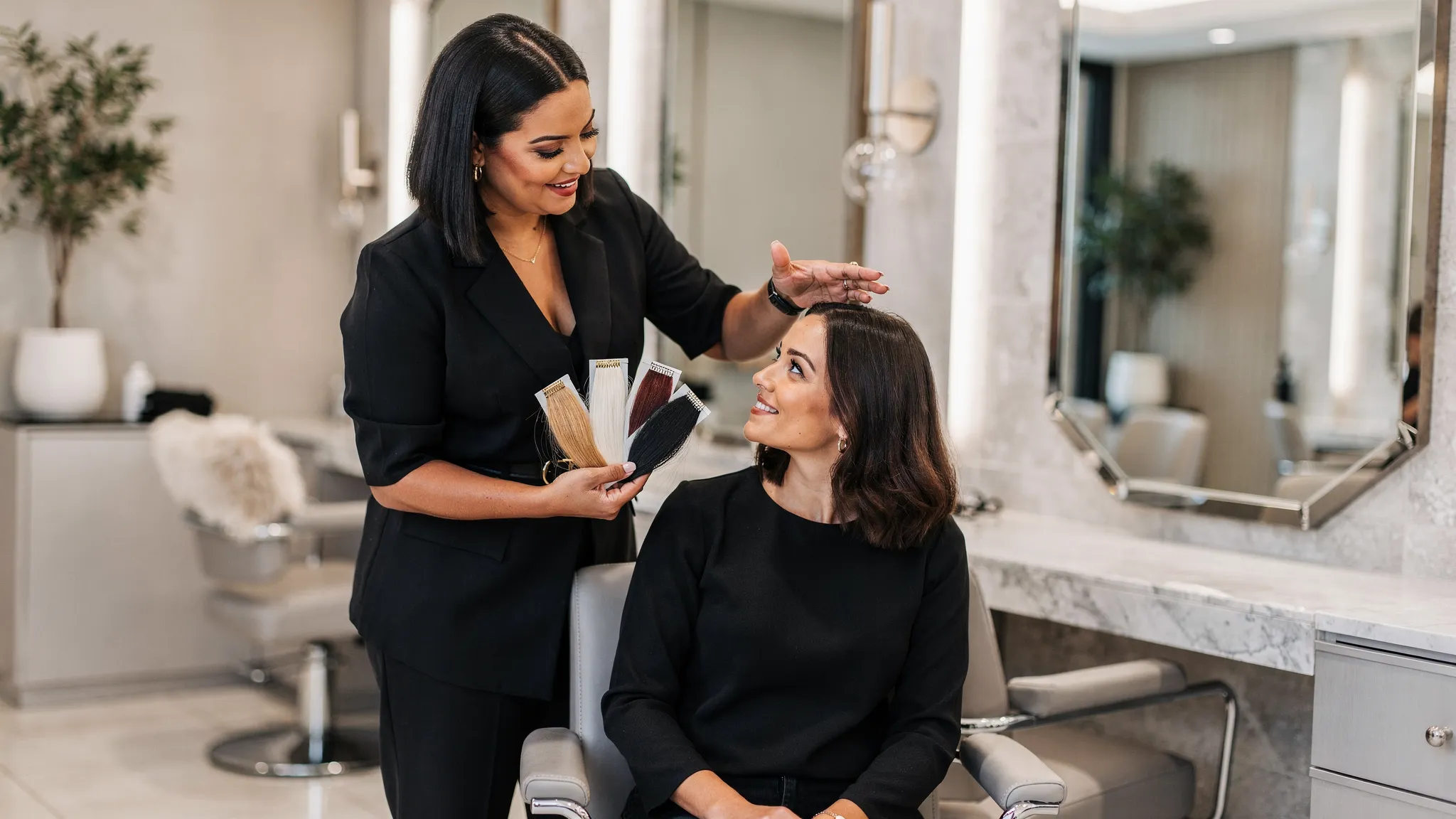
Hair extensions can be one of the fastest ways to transform your look, but they are also one of the easiest services to regret if you book without a plan. The difference between “this is exactly what I wanted” and “why does my scalp hurt” usually comes down to a few practical decisions you make before your appointment.
This guide walks you through what to know before booking hair salon hair extensions, so you can choose the right method, protect your natural hair, and budget for the upkeep that keeps extensions looking expensive (and feeling comfortable).
Start with your goal, not the method
Before you decide on tape-ins, sew-ins, or anything else, get clear on what you want the extensions to do.
Ask yourself:
Are you adding length, volume, fullness at the ends, or all three?
Do you want a temporary change (for a trip, maternity photos, a wedding) or something longer-term?
Do you wear your hair straight, curly, braided, or in protective styles most of the time?
How much daily styling are you willing to do? Some installs look best with regular heat styling, others are designed to blend with your natural texture.
Being specific here helps your stylist recommend the safest option for your hair and lifestyle, not just the most popular one.
Know the main extension types you can book at a salon
Different methods have different commitments, maintenance schedules, and “blending” strengths. Here is a quick orientation so you can walk into a consultation informed.
Extension method | How it’s installed | Best for | Common watch-outs |
|---|---|---|---|
Sew-in (weave) | Hair is braided down, extensions are sewn onto the braids | Many clients who want a secure style and flexibility with leave-out or closure options | Tension matters, braids that are too tight can irritate edges and scalp |
Tape-ins | Adhesive tape “sandwiches” small sections of hair | A flatter look with quick install and natural movement | Product buildup and incorrect removal can cause tangling or breakage |
K-tips (keratin bonds) | Individual strands bonded with keratin-based adhesive | Natural-looking movement, customizable placement | Removal should be professional, heat and bond care are important |
Microlinks (beads/ITips) | Individual strands secured with small beads (no glue) | Clients who prefer no adhesive and want strand-by-strand flexibility | Slippage, tension, and matting if maintenance is skipped |
Clip-ins (often recommended, not “booked” as a long-wear install) | Clips you take in and out at home | Special events or low-commitment volume | Can stress hair if worn daily or clipped in the same spots |
If you are not sure which category you fit into, that is normal. The best next step is a consultation that includes a hands-on look at your density, strand thickness, scalp, and any previous chemical services.

Your hair health matters more than your inspo photo
Extensions are not “one size fits all,” especially if your hair is already stressed from heat, chemical services, postpartum shedding, or traction from tight styles.
A skilled stylist should check:
Scalp health (flaking, soreness, inflammation)
Shedding vs. breakage (they behave differently under extensions)
Hairline and edges (areas most vulnerable to tension)
Previous chemical history (color, relaxer, keratin treatments)
One key risk to understand is traction alopecia, hair loss caused by repeated pulling and tension. The American Academy of Dermatology (AAD) notes that tight hairstyles and extensions can contribute to traction alopecia, especially when discomfort is ignored or styles are worn too long. See the AAD overview on traction alopecia.
Rule of thumb: extensions should feel secure, not painful. Soreness that lasts more than a short adjustment period is not something to “push through.”
What to do before your extension appointment
Your install will go smoother (and last longer) when you prep correctly. A few days before your appointment, focus on a clean scalp and realistic expectations.
Do this before you arrive
Confirm what “hair included” means, if anything is included. Some salons provide hair, some require you to purchase approved hair, some do either depending on the method.
Avoid heavy oils and butters right before an install, especially for tape-ins and bonds. Product residue can interfere with secure attachment.
Detangle thoroughly and remove shed hair. This helps prevent matting at the root once extensions are installed.
Bring 2 to 4 photos, but choose photos that match your texture goals and density. A picture of waist-length, ultra-thick hair may require more hair than you expect.
Know what to wear and plan for
Extensions can be a time investment. Wear something comfortable, and plan your day so you are not rushed, especially for first-time installs.
The most important consultation topics (extension edition)
Kingdom Cute has a separate resource on hairstylist client communication, but extensions come with a few extra “must-cover” topics that are easy to miss if you are new.
Make sure your consultation includes:
A blend plan: how your natural hair will match the extension hair (color match, texture match, and cut for shape)
A hairline plan: whether you will have leave-out, a closure, a frontal, or fully covered hair
A maintenance plan: how often you will come in for move-ups, tightening, or reinstall
An at-home plan: what you will do for washing, drying, heat, and nighttime protection
If a salon skips the maintenance conversation, that is a red flag. Extensions look best when the “after” is planned before the install begins.
Questions to ask before you book (and what good answers sound like)
These questions protect your hair and your wallet. You do not need to interrogate your stylist, but you do want clear, confident answers.
“Which method is safest for my hair density and edges?” A professional will explain tradeoffs, not just sell you on one method.
“How many rows/wefts or how many strands do I need for my goal?” The answer should be based on your head size, density, and desired fullness.
“How long should I wear this install before maintenance or removal?” You should get a time window and the reasons behind it.
“What’s the plan for blending and cutting?” Great extensions are usually finished with shaping and detail work.
“What products should I avoid?” Listen for guidance on heavy oils at the root, sticky styling products near attachment points, and heat protection.
“What will you do if I feel too much tension?” You want a stylist who will adjust immediately.
“What is your removal process?” Safe removal is part of professional extension service, not an afterthought.
Maintenance: what most first-timers underestimate
Most extension problems are not caused by the install, they are caused by at-home habits that do not match the method.
Here are the big maintenance realities to know upfront.
Washing and drying
You will likely need to wash more thoughtfully, focusing shampoo on the scalp and letting suds rinse through lengths.
You will need to dry thoroughly, especially at the root. Damp roots plus extensions can create tangling, odor, or irritation.
Sleeping
Night protection is not optional.
Use a satin bonnet or scarf.
Consider a silk or satin pillowcase as backup.
Keep hair contained (a loose braid or ponytail) to reduce friction.
Workouts, swimming, and vacation hair
If you sweat heavily, swim often, or travel frequently, tell your stylist. Those details can change the best method for you.
For example, frequent swimming may require stricter cleansing and conditioning routines, and some methods may need extra care around adhesives and bonds.
Budget for the full extension lifecycle (not just install day)
If you are comparing salons, make sure you are comparing the same scope of service. Extensions usually include multiple steps across time.
Cost category | What it typically includes | Why it matters |
|---|---|---|
Consultation | Hair and scalp assessment, method recommendation, color match | Prevents booking the wrong method and reduces surprises |
Hair purchase | Extension hair (type, length, quality) | Hair quality impacts tangling, longevity, and blending |
Installation | Sectioning, placement, cutting for shape, styling | Technique determines comfort and how natural it looks |
Maintenance visits | Move-up, tighten, reposition, cleanse, trim | Skipping maintenance increases matting and breakage risk |
Removal | Safe take-down and detangle | Professional removal protects your natural hair |
At-home products | Shampoo, conditioner, heat protectant, tools | The wrong products can shorten wear time |
If you want the look to stay polished, plan for maintenance the same way you plan for the install.
Red flags that can lead to damage (or disappointment)
If you notice these signs while shopping for a stylist or during the appointment, pause.
No consultation, or a consultation that feels rushed
Pressure to “just add more hair” without discussing weight and tension
Pain that is dismissed as normal
No clear maintenance timeline
Unclear sanitation and tool hygiene practices
No portfolio of extension work on hair that resembles yours
Also watch for “one perfect photo” marketing. What you want is consistent results across multiple clients, lighting situations, and hair types.
How to choose the right salon for hair extensions in Warner Robins
When you are ready to book, evaluate the salon like you are hiring a professional (because you are). Beyond beautiful photos, look for evidence of process.
Look for proof of craftsmanship
A portfolio that shows clean parts, natural blending, and healthy-looking hairlines
Reviews that mention comfort, professionalism, and aftercare, not just “it was cute”
Look for clarity and organization
A well-run salon experience usually includes clear booking steps, policies, and communication. A professional online presence can be a real signal that the business invests in client experience, sometimes with help from specialists in digital strategy and customer journeys like WRM Design marketing services.
Look for a hair-health mindset
Especially for first-time extension clients, you want a stylist who treats your natural hair like the foundation, not an afterthought.
Frequently Asked Questions
How long do hair salon hair extensions last? Most extension methods last weeks to months, but longevity depends on the method, your hair growth, and how closely you follow maintenance and at-home care.
Do hair extensions damage your hair? They can, but they do not have to. Damage risk is most often tied to tension, too much weight, skipped maintenance, and improper removal. A thorough consultation and professional upkeep reduce risk.
Should I wash my hair before getting extensions? Usually yes, clean hair and scalp help the install last longer, but avoid heavy oils or residue near the roots. Your stylist may give method-specific prep instructions.
Can I get extensions if I have a relaxer or color? Often yes, but it depends on the condition of your hair and the timing of your chemical services. Be honest about your hair history so your stylist can recommend the safest method.
What should I bring to an extension consultation? Bring inspiration photos, notes about your routine (how often you wash, heat style, work out), and a clear goal for length and fullness. Share any sensitivities or scalp concerns.
Book extensions with a luxury, consult-first approach
If you are ready for hair extensions that look elevated and feel comfortable, book with a salon that prioritizes technique, hair health, and a personalized plan.
Kingdom Cute is a luxury hair and beauty salon in Warner Robins, GA, offering expert cuts, color, styling, protective styles, and extension services with personalized consultations and premium products.
Schedule your appointment online at Kingdom Cute.
Related articles