Publish on by Kingdom Cute Luxury Hair Salon
- Start with your hair goals, not just the location
- Look for proof of texture experience
- Evaluate the consultation before you evaluate the style
- Prioritize scalp, edges, and long-term hair health
- Match the salon to the service you want
- Read reviews with a careful eye
- Ask about maintenance before you book
- Pay attention to pricing, timing, and transparency
- Notice the salon environment
- Watch for red flags
- Questions to ask before choosing an African American hair salon
- Frequently Asked Questions
- Choose a salon that treats your hair with care
Choosing a salon is personal. It is not only about who is closest, who has the lowest price, or who can fit you in today. When you are choosing an African American hair salon, you are trusting someone with your texture, your scalp, your time, and often your confidence.
If you have ever searched for African American hair salons near me and felt overwhelmed by the options, the best next step is to slow down and evaluate each salon with care. The right salon should understand textured hair, listen before styling, explain what your hair needs, and help you leave with a look that still feels good days and weeks later.
This guide walks through what to look for before you book, what questions to ask, and how to spot a salon that values both beauty and hair health.
Start with your hair goals, not just the location #
Convenience matters, especially when you need regular maintenance. But the closest salon is not always the best match for your hair goals. Before comparing salons, get clear on what you actually need.
Are you looking for a precision cut that shapes your curls? A silk press that moves without feeling stiff? A protective style that does not strain your edges? A color service that respects your curl pattern? A bridal style that will last through photos, dancing, and weather?
Your goal should guide your search. African American hair includes a wide range of textures, densities, histories, and styling preferences. Natural curls, coils, relaxed hair, locs, extensions, color-treated hair, and transitioning hair all require different choices. A careful salon will not treat every client the same.
If you are still defining what matters most, this guide on what to look for in a salon for Black hair can help you build a strong checklist before booking.
Look for proof of texture experience #
A salon may say it works with all hair types, but you want to see real proof. Browse the salon website, social media, photo gallery, and reviews. Look for hair that resembles yours in texture, length, density, and condition.
Pay attention to the details in before-and-after photos. Healthy results usually show shine, shape, movement, clean parts, smooth blending, and hair that does not look overly stressed. For color, look for even tone and curl integrity. For silk presses, look for flow and body, not limp or over-ironed hair. For extensions, look for clean installs and natural-looking placement.
A strong portfolio should show variety. One beautiful photo is encouraging, but consistent results across many clients are more meaningful. You want a stylist who understands how to adjust technique, heat, product, and timing based on the person in the chair.
Evaluate the consultation before you evaluate the style #
A good consultation is one of the clearest signs that a salon takes your hair seriously. The stylist should ask questions before recommending a service, especially if chemicals, heat, color, extensions, or tension are involved.
A careful consultation may include questions about your hair history, recent color or relaxer services, scalp sensitivity, shedding, breakage, heat use, daily routine, and long-term goals. The stylist may also examine your hair density, curl pattern, porosity, ends, and scalp condition.
This matters because a beautiful style can still be the wrong choice if your hair is not ready for it. For example, a dramatic color change may need to happen in stages. A sleek style may require a conditioning plan first. A protective style may need a different braid size or parting pattern to avoid unnecessary tension.
The American Academy of Dermatology recommends gentle hair care habits, including reducing damaging heat and avoiding styles that pull tightly on the hair, to help prevent breakage and hair loss. A salon that practices this kind of care will be honest about what your hair can handle, even if that means adjusting your original plan. You can review the AAD guidance on ways to stop hair damage if you want a medical perspective on everyday hair stress.
Prioritize scalp, edges, and long-term hair health #
The best salon experience should not sacrifice hair health for a temporary look. This is especially important for clients who wear extensions, braids, wigs, sleek ponytails, relaxers, or frequent heat styles.
Healthy styling starts with small choices. The stylist should avoid excessive pulling, explain when your hair needs a trim, recommend conditioning when necessary, and be careful with heat levels. They should also pay attention to your edges and scalp instead of treating discomfort as normal.
| Care signal | What it looks like in the salon | Why it matters |
|---|---|---|
| Gentle detangling | Hair is sectioned and worked through carefully | Reduces unnecessary breakage |
| Scalp awareness | The stylist checks irritation, flakes, soreness, or sensitivity | Helps prevent worsening scalp issues |
| Edge protection | Styles are not installed too tightly around the hairline | Protects fragile hair from tension |
| Heat control | Heat tools are used with intention, not repeatedly passed over the same sections | Helps preserve strength and elasticity |
| Honest recommendations | The stylist suggests treatments, trims, or timing adjustments when needed | Supports better long-term results |
If hair health is your top concern, you may also find it helpful to read about how to choose a Black hair salon that protects hair health. It goes deeper into the signs of safe technique and scalp-focused care.
Match the salon to the service you want #
Not every great stylist specializes in every service. A salon may be excellent for cuts and silk presses, while another may be stronger in color, extensions, bridal styling, or protective styles. Choosing with care means matching your goal to the right expertise.
For haircuts, look for shape, balance, and a clear understanding of how textured hair falls when curly, stretched, or straightened. For color, look for consultation depth, strand testing when appropriate, realistic expectations, and a maintenance plan. For silk presses and relaxer treatments, look for controlled technique and a focus on smoothness without overprocessing. For extensions or protective styles, look for clean foundation work and tension awareness.
Color deserves special attention because textured hair can be more vulnerable when lightened or chemically processed. If your next appointment involves highlights, dimensional color, or a major shade change, review this advice on how to find a hair salon for your next color service before you book.
Read reviews with a careful eye #
Reviews are helpful, but do not only look at the star rating. Read the language clients use. The best reviews often mention how the stylist listened, explained the process, handled the hair gently, respected appointment time, and gave aftercare advice.
Look for repeated patterns. If many people mention that the salon is clean, professional, welcoming, and skilled with textured hair, that is a good sign. If multiple reviews mention long waits, rushed consultations, rough detangling, unclear pricing, or styles that did not last, take that seriously.
Photos from real clients can also be useful. A polished salon photo shows skill, but client selfies and tagged posts can reveal how styles look in everyday lighting and after clients leave the chair.
Ask about maintenance before you book #
A careful salon does not stop caring when the style is finished. The stylist should explain how to maintain your look at home, how long the style should last, when to return, and what to avoid.
This is especially important if your appointment is tied to a special event, vacation, work trip, or wedding. A style that looks perfect in the salon may need different care if you will be around humidity, swimming, formalwear, or long travel days. If you are planning a polished getaway from start to finish, pairing your salon appointment with thoughtfully chosen accommodations, such as luxury vacation rentals, can help you protect the look and enjoy the experience with less stress.
Ask practical questions. Should you wrap your hair nightly? Can you work out after the service? What products should you use or avoid? How soon can you wash it? When should you schedule the next appointment? A stylist who gives clear answers is helping you protect your investment.
Pay attention to pricing, timing, and transparency #
A professional salon should be clear about pricing before the service begins. Some services vary based on hair length, density, product use, color goals, extension type, or styling complexity, but the salon should still be able to explain what affects the final cost.
Be cautious if a salon avoids discussing price, rushes through a consultation, or adds services without explaining them. Transparency builds trust. You should understand what you are booking, how long it may take, and whether extra steps such as treatments, trims, toners, or take-down services are included.
Time matters too. Textured hair services often require careful sectioning, preparation, drying, styling, and finishing. A salon that books realistically is more likely to give your hair the attention it deserves.
Notice the salon environment #
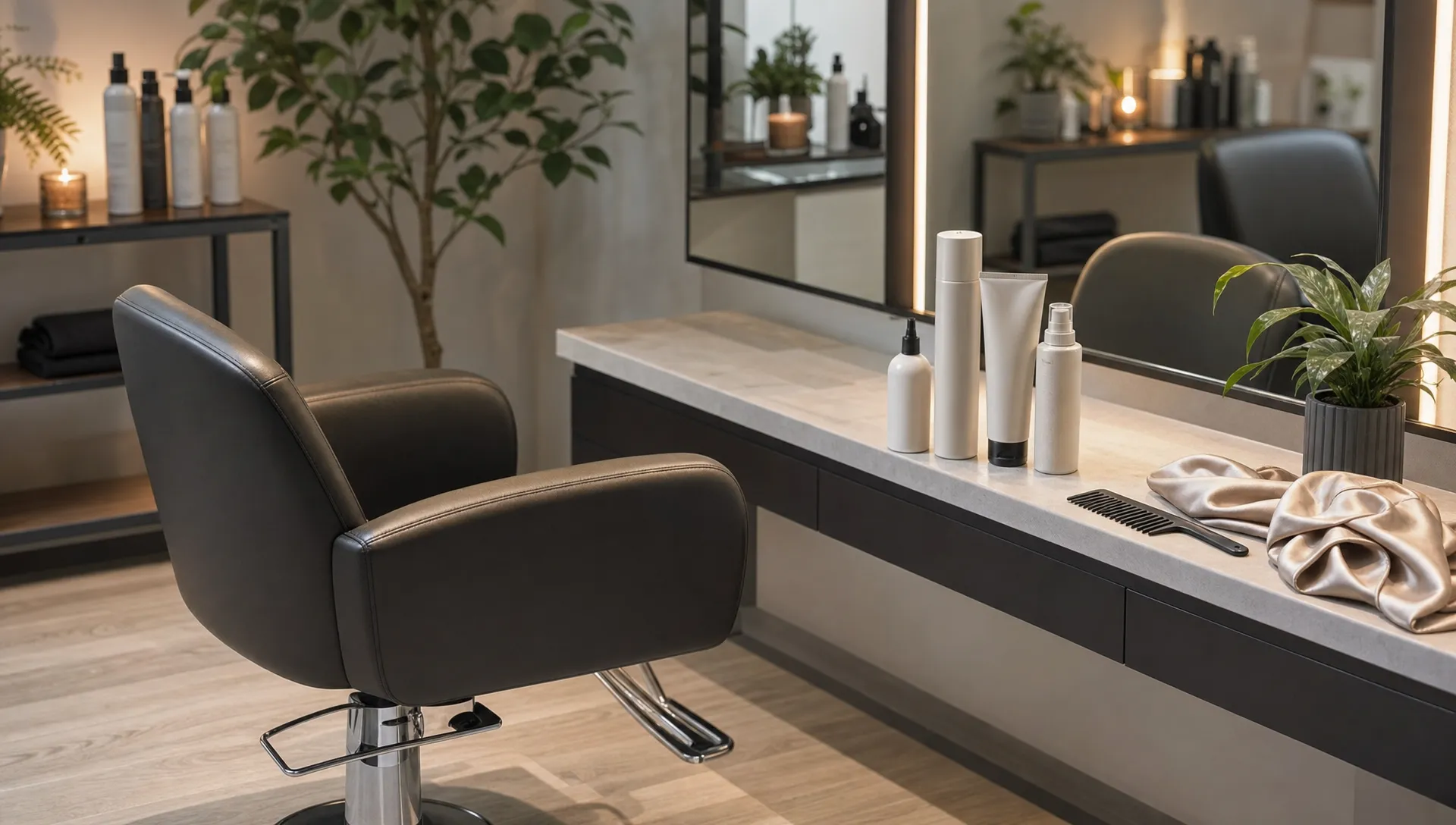
The physical environment says a lot about how a salon operates. Clean tools, organized stations, fresh capes, a welcoming tone, and a calm appointment flow all contribute to a better experience.
A luxury salon environment is not only about decor. It is about feeling respected, relaxed, and confident that the team has a process. If you value premium service, personalized attention, and a polished atmosphere, this guide on how to choose a luxury salon for better results can help you identify the difference between a nice-looking space and a truly elevated experience.
You should also feel comfortable asking questions. A salon that becomes defensive when you ask about technique, products, timing, or aftercare may not be the right fit. The right professional will welcome informed clients.
Watch for red flags #
Some warning signs are obvious, while others are easy to ignore when you really want an appointment. Trust your instincts if something feels off.
Common red flags include:
- No consultation before chemical, heat, or extension services
- Rough detangling or excessive pulling
- Dismissal of scalp pain, tightness, or burning
- No visible examples of work on textured hair
- Vague pricing or surprise add-ons
- Poor sanitation or disorganized tools
- Promises that sound unrealistic for your hair history
- Little or no aftercare guidance
One red flag may not tell the whole story, but several together should make you pause. Choosing with care means protecting yourself before damage happens.
Questions to ask before choosing an African American hair salon #
You do not need to interrogate a stylist, but thoughtful questions can reveal a lot. A professional salon should be able to answer clearly and confidently.
| Question | What a strong answer should include |
|---|---|
| Do you have experience with my texture and hair goals? | Specific examples, photos, or service recommendations |
| What do you recommend based on my hair history? | A plan that considers chemicals, heat, breakage, scalp, and maintenance |
| How do you protect hair during this service? | Gentle handling, conditioning, heat control, tension awareness, and product choices |
| How long will the service take? | A realistic time range based on hair length, density, and service type |
| What will I need to do at home? | Clear aftercare steps, product guidance, and timing for follow-up visits |
These questions help you move beyond surface-level promises. They also make it easier to compare salons fairly.
Frequently Asked Questions #
How do I know if an African American hair salon is right for my texture? Look for photos, reviews, and consultation language that show experience with hair similar to yours. The stylist should understand density, curl pattern, porosity, scalp needs, and the specific service you want.
Should I book a consultation before a major hair service? Yes. A consultation is especially important before color, relaxers, extensions, big cuts, corrective work, bridal styling, or any service involving heat or chemicals.
What is the biggest mistake people make when choosing a salon? Many people choose based only on location, price, or availability. Those factors matter, but texture expertise, communication, healthy technique, and aftercare are usually more important for long-term satisfaction.
How often should I visit a salon for healthy hair maintenance? It depends on your style, hair goals, and hair condition. Some clients need regular trims or treatments every few weeks, while others visit around protective styles, color maintenance, or special events. A good stylist will recommend a schedule based on your hair, not a one-size-fits-all rule.
Choose a salon that treats your hair with care #
The right salon should make you feel seen, heard, and confident. It should offer more than a finished style. It should give you a thoughtful consultation, expert technique, honest recommendations, and a plan for keeping your hair healthy after you leave.
If you are in Warner Robins, GA, Kingdom Cute offers personalized consultations, precision haircuts, luxury coloring, styling, extensions, bridal and event styling, conditioning treatments, and a modern salon experience designed to help you love your look.
Ready to choose with care? Book your appointment with Kingdom Cute and step into a salon experience built around your hair, your style, and your confidence.