How Hair Coloring Salons Protect Hair While Lifting Color
How Hair Coloring Salons Protect Hair While Lifting Color
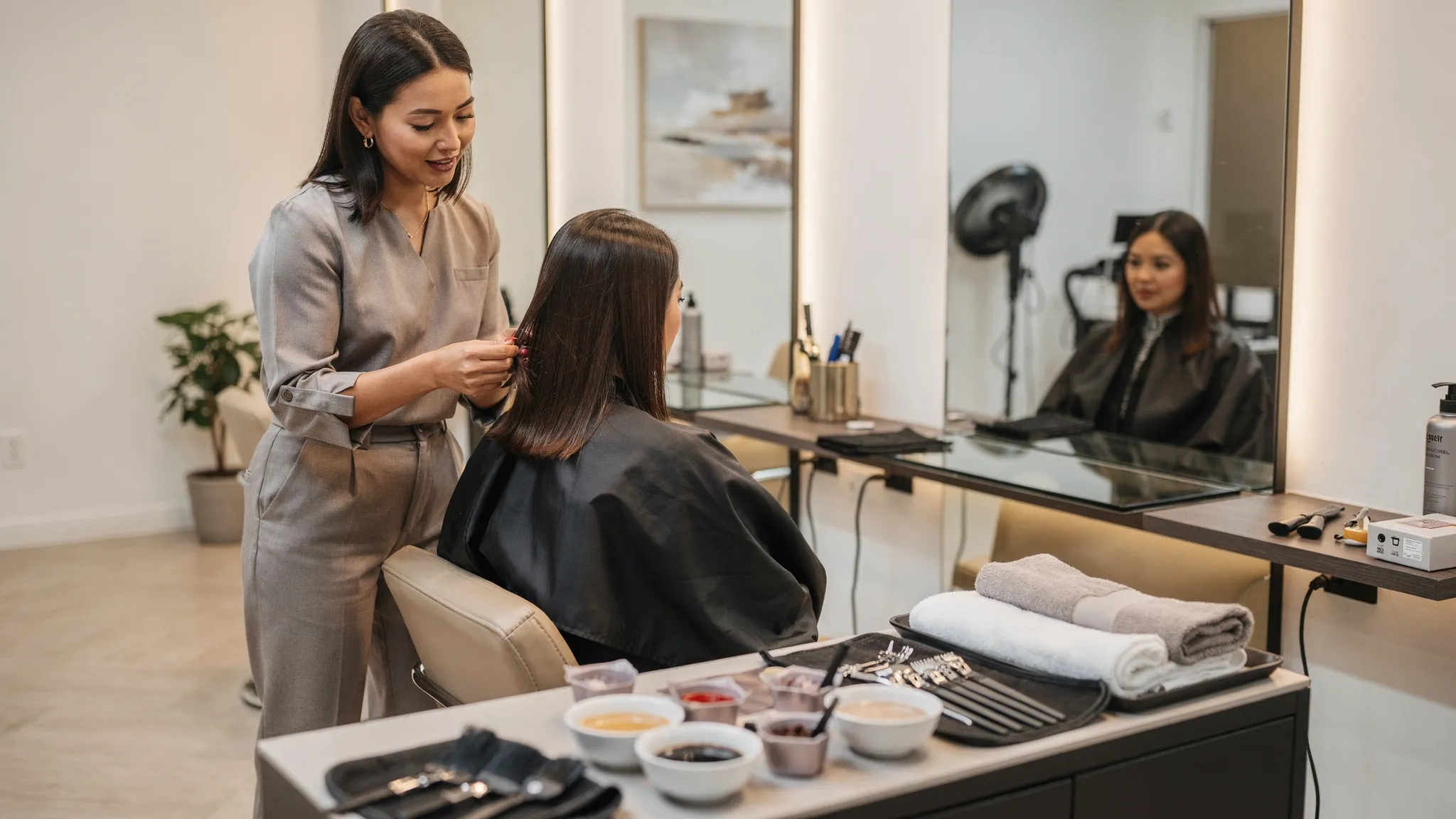
Healthy-looking blonde, bright copper, rich brunette, vivid fashion shades, they all have one thing in common: the hair has to stay strong while the color is being lifted or shifted. That is why the best hair coloring salons do much more than “apply product and rinse.” They manage chemistry, timing, technique, and aftercare so you can get a noticeable change without turning your hair into something that feels dry, fragile, or unpredictable.
Below is a clear, client-friendly look at what professional salons do to protect hair while lifting color, plus how to spot a health-first colorist and how to prepare for your appointment.
What “lifting color” really means (and why it can feel damaging)
When a stylist talks about “lifting,” they usually mean one of two things:
Lightening natural pigment (melanin) to go lighter, often with bleach/lightener and developer.
Lightening artificial pigment (existing permanent color), which is harder and usually requires lightener, color remover, or a multi-step correction.
Lightening works by opening the cuticle and oxidizing pigment inside the hair. This is effective, but it also stresses the hair’s structure, especially if the hair is already dry, over-processed, heat-styled daily, or has buildup from minerals, oils, and styling products.
That is why professional results are not just about the “shade,” they are about how carefully the lift is planned.
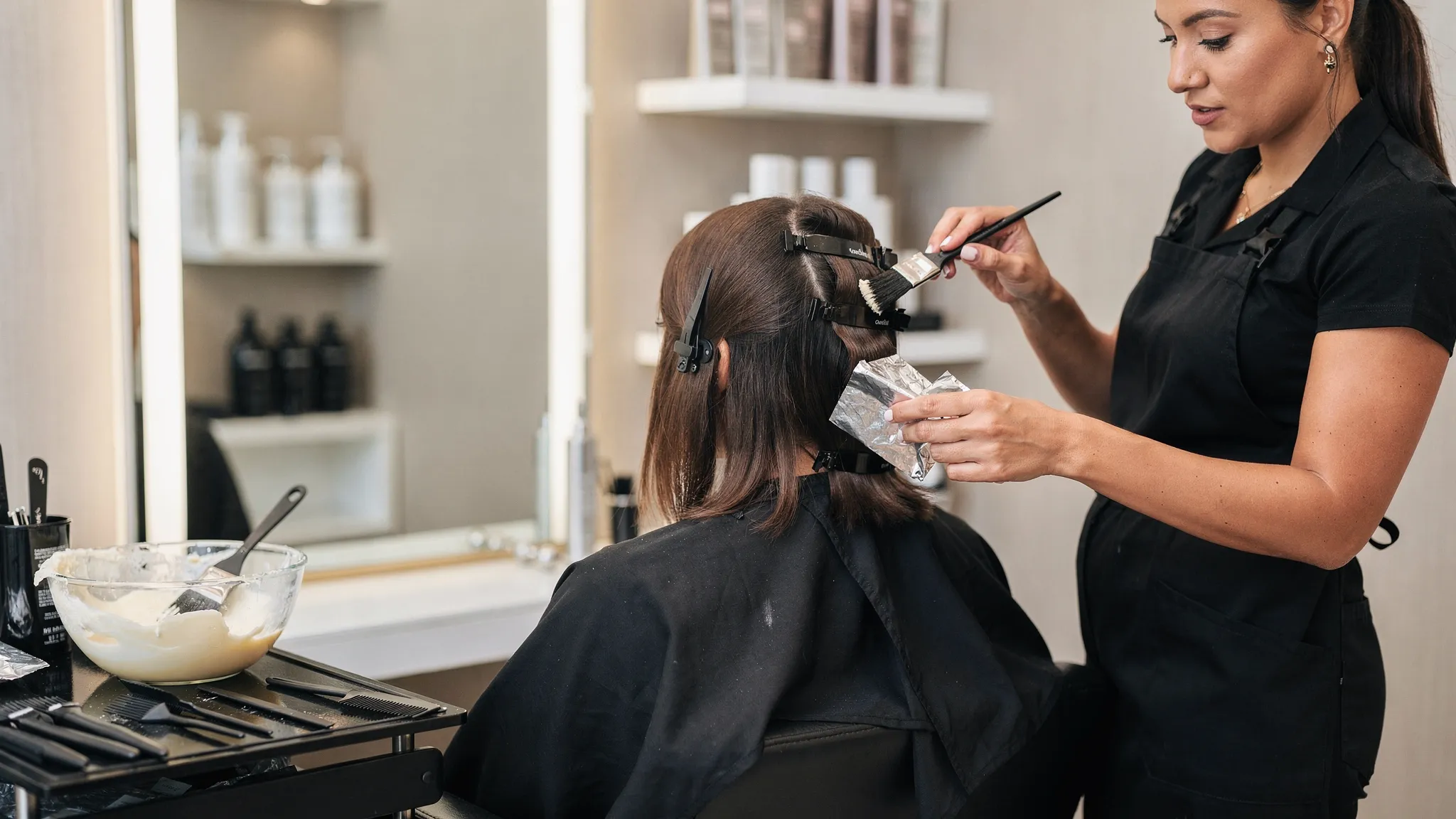
How hair coloring salons protect hair before lightener ever touches it
The biggest difference between a careful salon experience and a risky one is what happens before the service begins.
A real consultation (not a quick “what color?” chat)
Protecting hair starts with diagnosis. A professional colorist will ask about:
Your color history (box dye, permanent color, henna, relaxers, keratin treatments, previous bleaching)
Your daily routine (heat frequency, swimming, oils, protective styles)
Your hair goals and tolerance (how light you want to go and how much change your hair can safely handle)
This is also where they decide whether your goal is a one-visit service or a healthier multi-appointment plan.
If you want to show up prepared for this part, the checklist in What a Great Hair Dresser Should Ask Before You Sit Down is a helpful refresher.
Hair and scalp assessment (porosity, elasticity, density)
Hair coloring salons that prioritize hair health typically do quick, hands-on checks such as:
Elasticity (how far hair stretches before snapping)
Porosity (how fast hair absorbs water or product)
Density and strand thickness (how much hair you have, and how delicate each strand is)
Scalp condition (irritation, sensitivity, flaking, or abrasions)
These checks influence everything from formula choice to processing time.
Strand tests and allergy awareness
For major transformations (especially going significantly lighter), a salon may recommend a strand test. It can reveal:
How fast your hair lifts
Whether your hair turns warm/brassy quickly
Whether the hair feels gummy or weak during lift
Many clients also forget that sensitivity can happen with hair color. A reputable salon takes allergies seriously and may suggest a patch test if you have a history of reactions.
Prep that removes what blocks even lift
Uneven lift and surprise breakage are often linked to what is already on the hair.
Hair coloring salons may prep with:
Clarifying or chelating (to remove heavy product buildup or mineral deposits from hard water)
Conditioning support (to rebalance overly dry hair)
Strategic trimming (because compromised ends often cannot handle aggressive lifting)
Here is a quick overview of how these “before” steps prevent damage.
Pre-color step | What the stylist is looking for | How it protects your hair while lifting |
|---|---|---|
Consultation + history | Prior chemicals, at-home dye, heat habits | Prevents incompatible services and unrealistic goals |
Elasticity/porosity check | Weak areas, uneven absorption | Reduces breakage risk and patchy lift |
Clarifying/chelating (when needed) | Buildup, minerals, excess oils | Improves even lift so less processing is required |
Strand test (major changes) | Lift speed, tone, feel | Helps avoid over-processing and “surprise” damage |
What salons do during lightening to keep hair strong
This is the part clients usually see, foils, bowls, timers. The protection is in the details.
They choose a formula based on hair, not just the inspo photo
A careful colorist adjusts:
Lightener type (cream vs powder, on-scalp vs off-scalp formulas)
Developer strength (lower strength with longer time can be safer than forcing fast lift)
Additives and supports (bond-focused or conditioning add-ins, when appropriate)
A “one-size-fits-all” formula is a common reason hair feels rough after color.
They apply in a sequence that respects heat and sensitivity
Professional application technique helps protect hair because it prevents over-processing sections that lift faster.
Examples of pro-level safeguards include:
Working in clean sections for consistent saturation (dry spots can create banding and uneven lift)
Applying in an order that matches lift behavior (often mids and ends first, roots later, because the scalp’s warmth processes faster)
Managing foils and heat carefully (extra heat can speed lift, but it also increases risk)
They monitor, rinse, and stop the process at the right time
A top reason hair gets damaged during lightening is simply staying in lightener too long.
Hair coloring salons protect hair by:
Checking lift visually at intervals (not “set it and forget it”)
Rinsing as soon as the target lift is achieved
Re-formulating instead of pushing one application past what the hair can handle
They rebalance tone without overworking the hair
After lift, hair often shows warmth (gold, orange, yellow). Instead of “re-bleaching until it looks perfect,” many salons use toners and glosses to refine the shade.
This matters because toning is often a gentler way to get the look you want, without repeatedly stressing the hair.
They finish with the right pH and conditioning steps
Post-lightening steps are not just “nice extras.” They are part of protecting the hair’s feel and manageability.
A professional finish may include:
Thorough rinse and emulsification to remove product completely
Conditioning or bond-support treatments
A tailored styling plan (including heat protection when heat is used)
If you are working on healthier hair between appointments, this guide to professional hair care products can help you understand what stylists mean when they talk about strengthening, hydration, and protection.
Aftercare is part of the “hair protection” plan (not an afterthought)
Your hair is usually most vulnerable in the days after a lightening service, especially if you go right back to high heat, tight styles, or harsh cleansing.
A salon that protects your hair will give aftercare guidance such as:
Wash less frequently at first (and avoid very hot water)
Use gentle, color-safe cleansing and consistently condition
Add weekly deep conditioning (and use protein carefully, too much can feel stiff)
Use heat protectant every time you blow dry, silk press, or flat iron
Reduce friction at night (bonnet, scarf, or a satin pillowcase)
They may also recommend a maintenance schedule for toners, trims, and conditioning support so the hair stays strong as the color evolves.
How to tell if a hair coloring salon truly prioritizes hair health
Not every salon approaches color with the same standards. Here are practical signs to look for when you are choosing among hair coloring salons.
Green flags
They offer a consultation and ask about your chemical history.
They explain realistic outcomes (including when your goal needs multiple sessions).
They talk about maintaining the integrity of your hair, not just achieving a shade.
They give clear aftercare guidance.
Red flags
They guarantee a dramatic lift in one visit without seeing your hair.
They rush through the service with minimal sectioning or inconsistent saturation.
They ignore previous color history (especially box dye or chemical services).
They treat excessive burning or discomfort like it is “normal.”
A quick behind-the-scenes note (for stylists and salon-suite owners)
Clients often do not realize how much professional color quality depends on operations: fresh inventory, clean storage, and consistent supply. If you are a stylist setting up a suite or upgrading your backbar and storage systems, sourcing shipping and storage solutions such as quality bulk pallets for sale can be a practical way to handle inventory efficiently.
Frequently Asked Questions
Does lifting hair color always cause damage? Not always, but lightening is inherently stressful to the hair. The goal is minimizing stress through the right formula, timing, technique, and aftercare.
Why do salons say it might take multiple sessions to go blonde? Because safer lifting often means stopping before the hair is over-processed. Multi-session blonding can protect your hair’s strength, density, and length.
What is a strand test, and do I need one? A strand test is a small test section used to see how your hair lifts and how it feels during processing. It is especially useful for major changes, color corrections, or unknown color history.
Is box dye really that different from professional color? The bigger difference is control. In a salon, the formula and technique are customized to your hair and monitored in real time. Box dye is designed to work on many people, which can create unpredictable results.
How can I keep my hair from turning brassy after lightening? Use the right at-home products (as recommended by your stylist), minimize heat, protect hair from sun and pool water, and come in for toner or gloss maintenance when needed.
Can textured hair be safely colored and lightened? Yes, but it requires a stylist who understands textured hair’s moisture needs, styling habits (like silk presses), and protective styling routines. Healthy color is absolutely possible with the right plan.
Book a healthy, confidence-boosting color appointment at Kingdom Cute
If you want lighter, brighter color without sacrificing the feel of your hair, the safest next step is a professional consultation and a plan that fits your hair history.
Kingdom Cute is a luxury hair and beauty salon in Warner Robins, GA, offering expert color services, precision cuts, styling, extensions, and bridal looks, with personalized consultations and premium products in a modern, relaxing environment.
Book online at Kingdom Cute Hair Salon and let’s create a color result you love, while keeping your hair strong.
Related articles